

Customizable Shopping Bag Solutions for Retailers
Elevate your brand with customizable shopping bag solutions. Our retail plastic bags enhance your packaging strategy while meeting diverse business needs.

The principles of die design play a crucial role in the production of high-quality plastic products. Understanding these principles can significantly enhance the efficiency and effectiveness of the extrusion process, leading to superior product quality. This article delves into the fundamental aspects of extrusion die design, exploring how various factors such as die geometry, material selection, and melt flow dynamics influence the final output. By addressing common challenges and integrating advanced techniques, manufacturers can optimize their die designs for better performance and reduced defects. We will cover the key principles of die design, the types of dies available, the impact of melt flow dynamics, strategies to prevent defects, and the latest trends in sustainable die design.
Extrusion die design is essential for achieving optimal product quality in plastic manufacturing. The fundamental principles include die geometry, material selection, and the impact of these factors on the final product’s characteristics. Proper die geometry ensures uniform melt flow and consistent thickness, which are critical for producing high-quality films and sheets. Additionally, selecting the right materials for die construction can enhance durability and performance, ultimately affecting the quality of the extruded product.
After understanding these principles, it becomes clear how machinery plays a vital role in die design. Kingdom Machine Co., Ltd. specializes in manufacturing high-quality blown film extrusion machines that are designed to meet these principles effectively, ensuring optimal product quality.

Die geometry significantly impacts the quality of the extruded plastic film. Different geometries can lead to variations in melt flow, which directly affects the film’s thickness and uniformity. For instance, a well-designed die with a tapered or land shape can facilitate smoother melt flow, reducing the risk of defects such as gauge variation. Moreover, the design of the die lip is crucial, as it determines the final film thickness and surface quality. By optimizing die geometry, manufacturers can achieve better control over the extrusion process, resulting in higher-quality products.
The choice of materials for manufacturing extrusion dies is critical for ensuring their longevity and performance. Common materials include tool steels, aluminum, and specialized alloys, each offering distinct advantages. Tool steels are known for their hardness and wear resistance, making them suitable for high-volume production. Aluminum, on the other hand, is lightweight and offers excellent thermal conductivity, which can enhance temperature control during extrusion. Selecting the right material depends on factors such as the type of plastic being processed, production volume, and cost considerations.
Understanding the various types of extrusion dies is essential for selecting the right one for specific applications. Each type of die has unique characteristics that make it suitable for different processes.
Blown film dies differ from flat and co-extrusion dies primarily in their design and the processes they facilitate. Blown film dies create a tubular film by blowing air into the molten plastic, which results in a unique structure that offers excellent strength and flexibility. In contrast, flat dies produce sheets or films that are typically used in applications requiring rigidity or flat profiles. Co-extrusion dies allow for the combination of different materials, enhancing the film’s properties by layering them during the extrusion process.
Spiral die designs offer several advantages in film extrusion, particularly in terms of flow distribution and quality consistency. The spiral configuration promotes a more uniform melt flow, reducing the likelihood of defects such as streaks and bubbles. Additionally, spiral dies can enhance production efficiency by allowing for higher output rates while maintaining consistent film quality. This design is particularly beneficial for applications requiring high precision and uniformity in film thickness.

Melt flow dynamics play a crucial role in die design and the overall quality of the extruded film. Understanding how the melt behaves as it passes through the die is essential for optimizing the extrusion process.
Polymer rheology refers to the study of how polymers flow and deform under stress. The rheological properties of the polymer significantly influence melt flow distribution within the die. For instance, polymers with high viscosity may require specific die designs to ensure even flow and prevent issues such as melt fracture. By analyzing the rheological behavior of the material, manufacturers can tailor die designs to achieve optimal flow characteristics, resulting in improved film quality.
Temperature control is vital in the extrusion process, as it affects the viscosity of the polymer and, consequently, the melt flow. Maintaining the appropriate temperature throughout the die ensures that the polymer remains in a workable state, facilitating smooth flow and reducing the risk of defects. Advanced temperature control systems can help achieve uniform heating, which is essential for producing high-quality extruded products.
Effective die design can significantly reduce the occurrence of common extrusion defects, ensuring higher product quality and less waste.
Melt fracture occurs when the polymer experiences excessive shear stress, leading to surface irregularities in the extruded product. This defect can be mitigated through careful die design that minimizes shear stress by optimizing the flow channel and die geometry. Additionally, selecting the appropriate materials and maintaining proper processing conditions can further reduce the risk of melt fracture.
The geometry of the die lip is critical in determining the final film thickness and surface quality. An improperly designed die lip can lead to gauge variation, where the thickness of the film is inconsistent. This variation can result in defects such as sharkskin, characterized by a rough surface texture. By optimizing die lip geometry, manufacturers can achieve better control over film thickness and surface quality, reducing the likelihood of these defects.
The field of die design is evolving, with a growing emphasis on sustainability and advanced technologies. Manufacturers are increasingly adopting innovative approaches to enhance die performance while minimizing environmental impact.
As the demand for sustainable materials rises, die design is adapting to accommodate biodegradable and recycled plastics. These materials often have different processing characteristics, requiring specialized die designs to ensure optimal flow and product quality. By integrating sustainable practices into die design, manufacturers can contribute to a more circular economy while maintaining high standards of product quality.
The integration of smart technologies and the Internet of Things (IoT) is revolutionizing die performance optimization. These technologies enable real-time monitoring and data analysis, allowing manufacturers to make informed decisions regarding die adjustments and maintenance. By leveraging IoT capabilities, companies can enhance efficiency, reduce downtime, and improve overall product quality.
Proper maintenance of extrusion dies is essential for ensuring their longevity and consistent performance. Regular maintenance practices can prevent issues that may arise from wear and tear, ultimately leading to better product quality.
Best practices for die cleaning and maintenance include regular inspections, thorough cleaning after each production run, and timely replacement of worn components. Implementing a structured maintenance schedule can help identify potential issues before they escalate, ensuring that the die operates at peak performance.
Regular maintenance directly impacts product quality by ensuring that the die functions optimally. Well-maintained dies produce consistent products with fewer defects, leading to reduced waste and increased efficiency. By investing in maintenance, manufacturers can achieve significant cost savings while enhancing product quality.
This table summarizes the different types of extrusion dies and their respective applications, highlighting the advantages of each type in the manufacturing process.
In conclusion, understanding the principles of die design is crucial for optimizing product quality in plastic extrusion. By focusing on die geometry, material selection, and melt flow dynamics, manufacturers can enhance their processes and reduce defects. As the industry evolves, embracing advanced technologies and sustainable practices will be key to maintaining competitiveness and meeting the demands of modern consumers.
Elevate your brand with customizable shopping bag solutions. Our retail plastic bags enhance your packaging strategy while meeting diverse business needs.
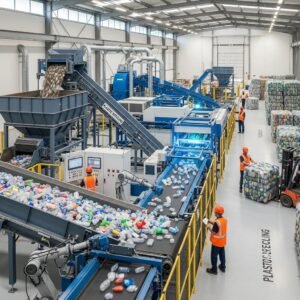
Learn about effective plastic recycling strategies implemented across Europe. Join the movement towards sustainability and reduce environmental impact today.
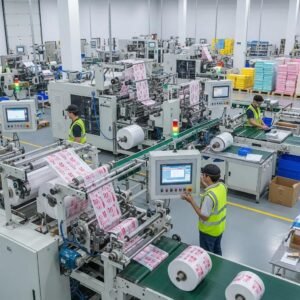
Learn how to effectively launch a high-volume bag production facility with our detailed case study. Optimize operations and maximize returns today!
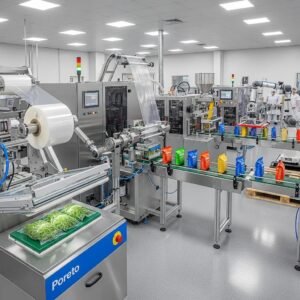
Elevate your food safety with innovative plastic packaging. Our food-grade bags and films enhance freshness, ensuring quality and longevity in every bite.

