Comprehensive Guide to Blown Film Extrusion
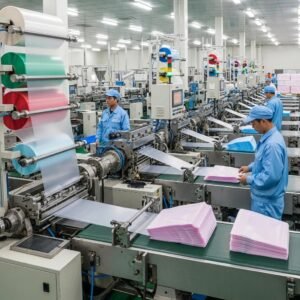
Blown film extrusion is a widely used manufacturing process in the plastic industry, essential for producing various film products. This guide aims to provide an in-depth understanding of the blown film extrusion process, including its machinery, applications, and benefits.
From the basic principles of extrusion to the operational nuances of different machines, this guide covers everything you need to know. By exploring topics such as material selection, processing parameters, and troubleshooting techniques, readers will gain valuable insights into optimizing their production processes.
Latest Innovations in Blown Film Technology
The blown film industry is continuously evolving with technological advancements that enhance production efficiency and product quality. Staying updated with the latest innovations can help businesses maintain a competitive edge in the market.
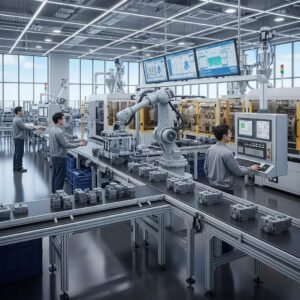
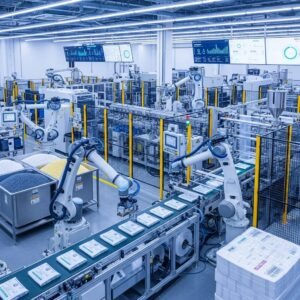
Recent developments include advancements in automation, improvements in material formulations, and eco-friendly alternatives to traditional plastics. Companies are increasingly adopting these innovations to reduce waste and improve sustainability in their manufacturing processes.
Understanding Market Trends in Flexible Packaging
Flexible packaging has seen significant growth in recent years, driven by consumer preferences for convenience and sustainability. Understanding these market trends is crucial for businesses involved in plastic film production and packaging.
Key trends include a shift towards biodegradable materials, increased demand for lightweight packaging solutions, and the rise of e-commerce, which requires efficient and protective packaging options. By analyzing these trends, businesses can better align their product offerings with market demands.
Best Practices for Operating Plastic Film Machinery
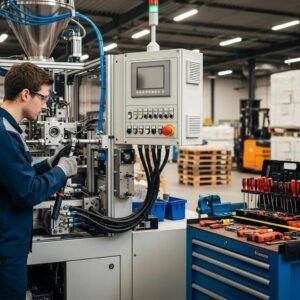
Operating plastic film machinery requires a combination of technical knowledge and practical skills to ensure optimal performance and safety. Implementing best practices can lead to improved efficiency and reduced downtime.
Best practices include regular maintenance checks, proper training for operators, and adherence to safety protocols. Additionally, understanding the specific requirements of each machine type can help operators maximize their productivity and extend the lifespan of the equipment.