

Reliable Spare Parts and Components for Your Machines
Elevate your machinery performance with our premium spare parts and components. Trust in our quality and reliability for optimal operation and longevity.
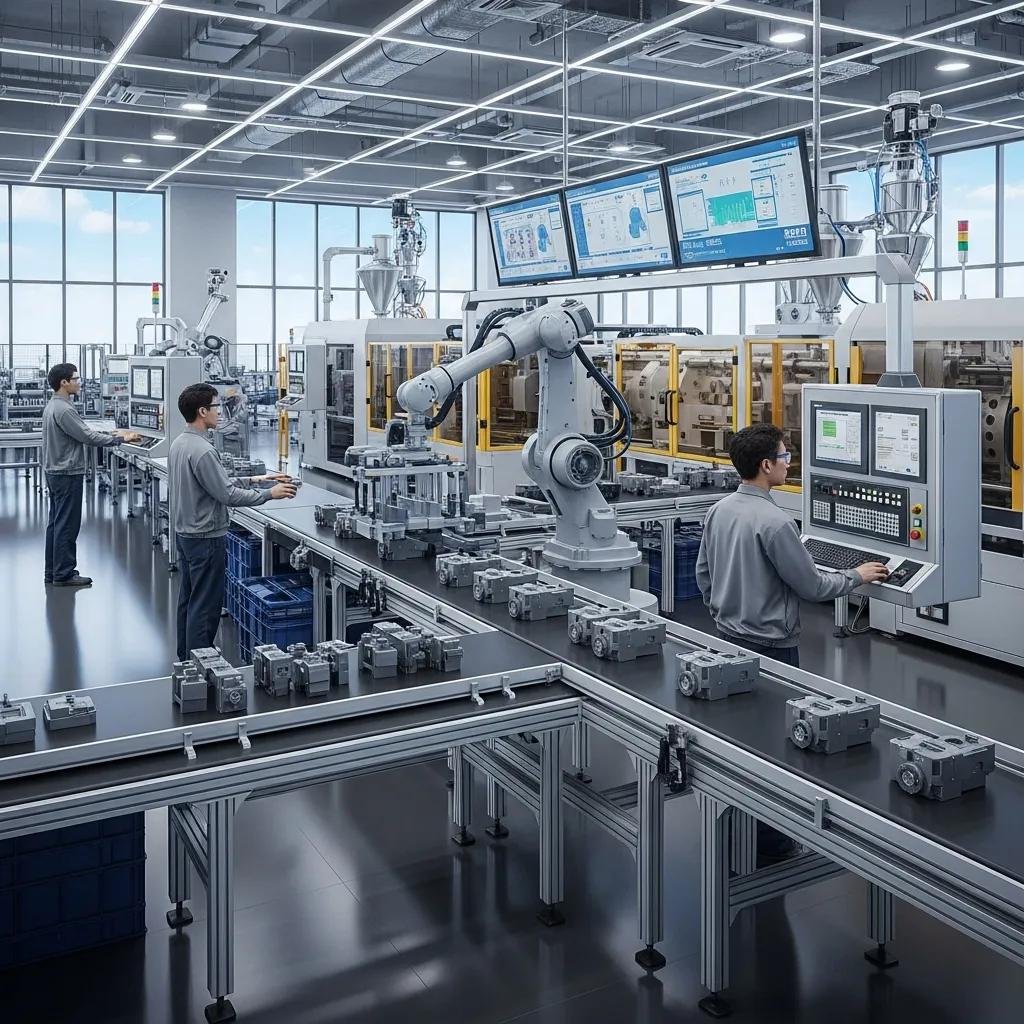
Estimating the return on investment (ROI) for new machinery is crucial for businesses in the plastic manufacturing sector. Understanding how to calculate ROI can help companies make informed decisions about their equipment purchases, ensuring they maximize profitability and efficiency. This article will guide you through the essential concepts of ROI, the factors influencing it, and practical methods for calculating it specifically for plastic machinery. Many manufacturers struggle with determining the true value of their investments, often leading to suboptimal purchasing decisions. By mastering ROI calculations, businesses can identify the most cost-effective machinery options that align with their operational goals. We will explore the definition of ROI, the cost components involved, the impact of operational efficiency, real-world case studies, and financing options available for new machinery.
Return on investment (ROI) is a financial metric used to evaluate the profitability of an investment relative to its cost. It is calculated by dividing the net profit from the investment by the initial cost, expressed as a percentage. Understanding ROI is essential for businesses in the plastic machinery sector, as it helps assess the effectiveness of their capital expenditures. A positive ROI indicates that the investment generates more income than it costs, while a negative ROI suggests a loss.
In machine investments, ROI is defined as the ratio of net profit to the cost of the investment. The payback period, on the other hand, is the time it takes for an investment to generate enough cash flow to recover its initial cost. For example, if a machine costs $100,000 and generates $25,000 in annual net profit, the payback period would be four years. Understanding these definitions is crucial for making informed investment decisions.

The formula for calculating ROI is:
The payback period can be calculated using the formula:
These formulas provide a straightforward way to assess the financial viability of machinery investments, allowing businesses to compare different options effectively.
When evaluating the ROI of plastic machinery, several cost components must be considered. These include capital expenditures, operating costs, and depreciation. Each of these factors plays a significant role in determining the overall financial impact of the investment.
Capital expenditures (CapEx) refer to the initial costs associated with purchasing and installing machinery. This includes the purchase price, shipping, installation, and any necessary modifications to existing facilities. Operating costs (OpEx) encompass ongoing expenses such as maintenance, labor, utilities, and raw materials. Understanding these costs is essential for accurately calculating ROI.
Depreciation affects the ROI by allocating the asset’s cost over its useful life, which can impact tax liabilities and accounting profits. Regular maintenance is also crucial, as it ensures the machinery operates efficiently and reduces unexpected breakdowns. Neglecting maintenance can lead to increased operating costs and lower ROI.
Operational efficiency is a critical factor in determining the profitability of plastic machinery. It refers to how effectively a machine converts inputs into outputs, impacting overall production costs and revenue generation. Higher efficiency typically leads to lower costs and increased profitability.
Key efficiency metrics in plastic film production include:
Monitoring these metrics helps businesses identify areas for improvement and optimize their operations.
Increased machine productivity directly correlates with higher ROI. For instance, if a machine can produce more units in less time, it reduces labor costs and increases revenue. Additionally, cost savings from improved efficiency can significantly enhance the overall profitability of the investment.
Examining real-world case studies can provide valuable insights into the ROI of plastic machinery investments. These examples illustrate how different companies have successfully calculated and improved their ROI through strategic investments.
One notable case involved a company that invested in a new blown film extrusion line. The initial investment was $500,000, and the machine generated an additional $150,000 in annual net profit. The payback period for this investment was approximately 3.33 years, demonstrating a solid return on investment.
These case studies highlight the importance of thorough ROI analysis before making machinery investments. By understanding the payback periods and profitability improvements achieved by others, businesses can make more informed decisions that align with their financial goals.

When considering new machinery purchases, various financing options and risk assessments should be evaluated. These factors can significantly influence the overall ROI and payback period.
Different financing methods, such as leasing, loans, or outright purchases, can affect the ROI and payback period. For example, leasing may lower initial costs but could result in higher long-term expenses. Conversely, purchasing outright may require a larger upfront investment but can lead to greater long-term savings.
Key risk factors include market fluctuations, technological advancements, and changes in regulatory requirements. Businesses must assess these risks to ensure their investments remain viable and profitable over time. Understanding these factors can help mitigate potential losses and enhance ROI.
Elevate your machinery performance with our premium spare parts and components. Trust in our quality and reliability for optimal operation and longevity.
Maximize efficiency with expert installation for your plastic production machines. Our professional team ensures optimal performance tailored to your needs.

Transform your concepts into reality with our tailored installation solutions. Experience professional guidance and exceptional results designed just for you.

Elevate your production with essential tips for selecting the right plastic bag making equipment. Make informed choices for efficiency and quality today.
