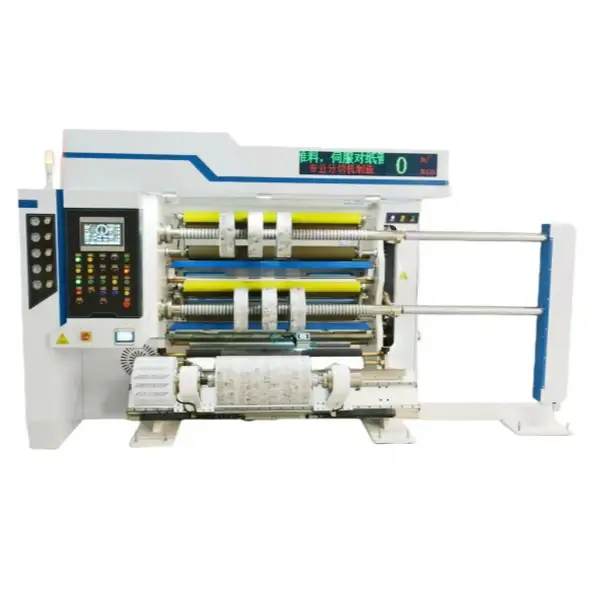
Comprehensive Guide to Slitting Machines
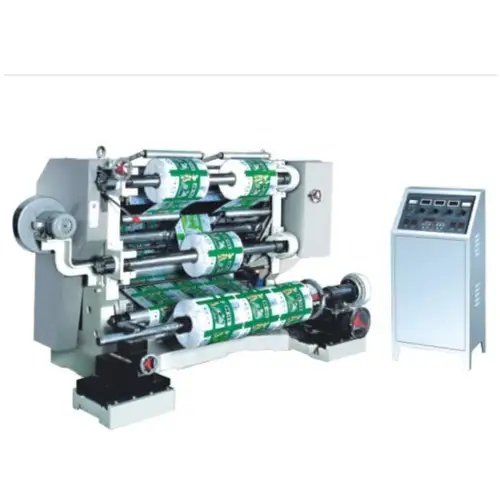
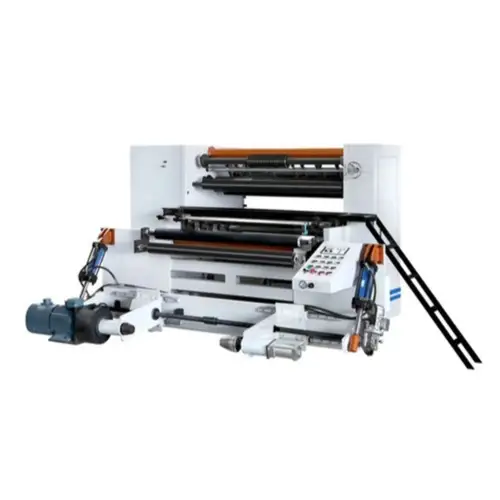
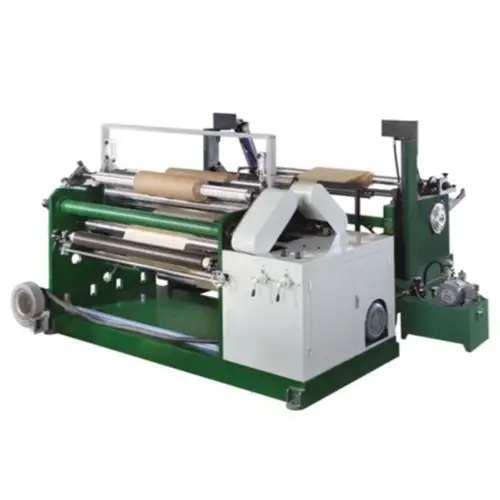
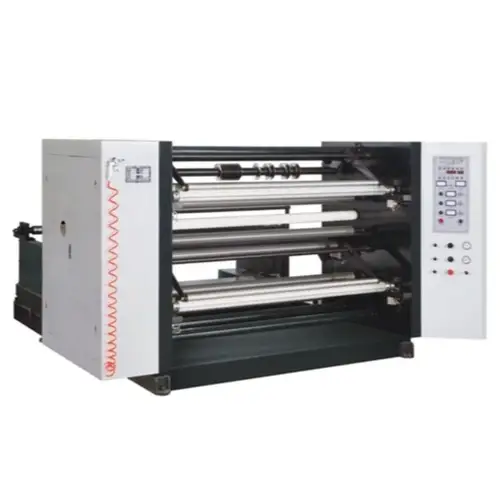
Slitting machines are essential in the plastic manufacturing industry, particularly for processing films and other materials. This guide aims to provide an in-depth overview of slitting machines, their functionalities, and their applications in various production processes.
Understanding the different types of slitting machines, such as film slitting and high-speed slitting machines, helps manufacturers choose the right equipment for their specific needs. These machines are designed to enhance efficiency and precision in cutting materials, making them a vital investment for businesses in the plastic sector.
Benefits of Using Slitting Machines in Production
Slitting machines offer numerous advantages that can significantly improve production efficiency and product quality. They streamline the cutting process, reduce waste, and enhance the overall operational workflow within manufacturing facilities.
For example, high-speed slitting machines can process materials at a faster rate, allowing companies to meet high demand while maintaining quality standards. Additionally, these machines can be tailored to handle various materials, providing versatility in production lines.
Choosing the Right Slitting Machine for Your Needs
Selecting the appropriate slitting machine involves considering several factors, including the type of material being processed, production volume, and specific cutting requirements. Each machine comes with unique features that cater to different operational needs.
For instance, businesses focusing on biodegradable films may require specialized slitting machines that accommodate the unique properties of these materials. Consulting with manufacturers and suppliers can help identify the best options available in the market.
Maintenance Tips for Slitting Machines
Proper maintenance of slitting machines is crucial to ensure their longevity and optimal performance. Regular checks and servicing can prevent unexpected breakdowns and extend the lifespan of the equipment.
Key maintenance practices include cleaning the blades, lubricating moving parts, and inspecting electrical components. By adhering to a maintenance schedule, manufacturers can minimize downtime and maintain high production efficiency.