

Customizable Shopping Bag Solutions for Retailers
Elevate your brand with customizable shopping bag solutions. Our retail plastic bags enhance your packaging strategy while meeting diverse business needs.
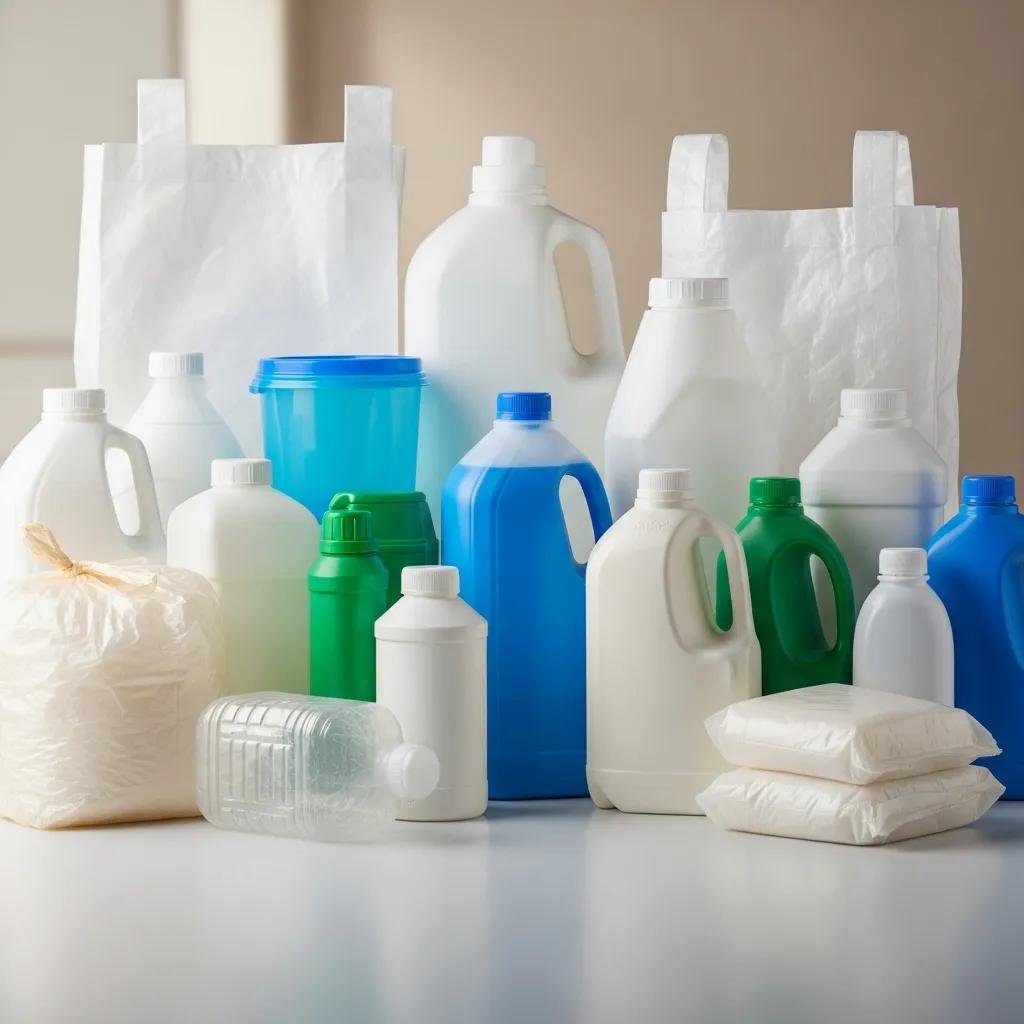
High-Density Polyethylene (HDPE) is a versatile plastic known for its strength, durability, and resistance to various chemicals. This article delves into the essential properties of HDPE, its wide-ranging applications, and the processing techniques that make it a preferred choice in the production of films and bags. Readers will gain insights into how HDPE’s molecular structure contributes to its material properties, the various applications that benefit from HDPE, and the intricacies of the extrusion process. Additionally, we will explore the equipment offered by Kingdom Machine Co., Ltd. that facilitates HDPE processing, as well as the sustainability practices integrated into HDPE production. Finally, we will examine current market trends and future forecasts for HDPE.
High-Density Polyethylene (HDPE) is characterized by its high strength-to-density ratio, making it suitable for a variety of applications. Its molecular structure, which consists of long chains of polyethylene with minimal branching, contributes to its impressive mechanical properties, including tensile strength and impact resistance. Additionally, HDPE exhibits excellent chemical resistance, allowing it to withstand exposure to various solvents and acids without degrading. This combination of properties makes HDPE a preferred material in industries ranging from packaging to construction.
The molecular structure of HDPE significantly influences its material properties. The high degree of crystallinity in HDPE results in a dense and rigid structure, which enhances its strength and durability. The molecular weight of HDPE also plays a crucial role; higher molecular weight polymers exhibit improved mechanical properties, such as increased tensile strength and impact resistance. This structural integrity allows HDPE to perform well in demanding applications, including those requiring high durability and resistance to environmental stress.
HDPE is known for its low density, typically ranging from 0.93 to 0.97 g/cm³, which contributes to its lightweight nature. Its chemical resistance is one of its standout features, as it can withstand exposure to a wide range of chemicals, including acids, bases, and alcohols. This property makes HDPE ideal for containers and packaging that require durability against chemical exposure. Furthermore, HDPE has a melting point of approximately 125-135°C, which allows it to maintain its structural integrity under heat, making it suitable for applications involving thermal processing.
HDPE is widely used in various applications, particularly in the production of films and bags. Its unique properties make it an excellent choice for consumer packaging, agricultural films, and industrial applications. The versatility of HDPE allows it to be tailored for specific uses, enhancing its functionality across different sectors.
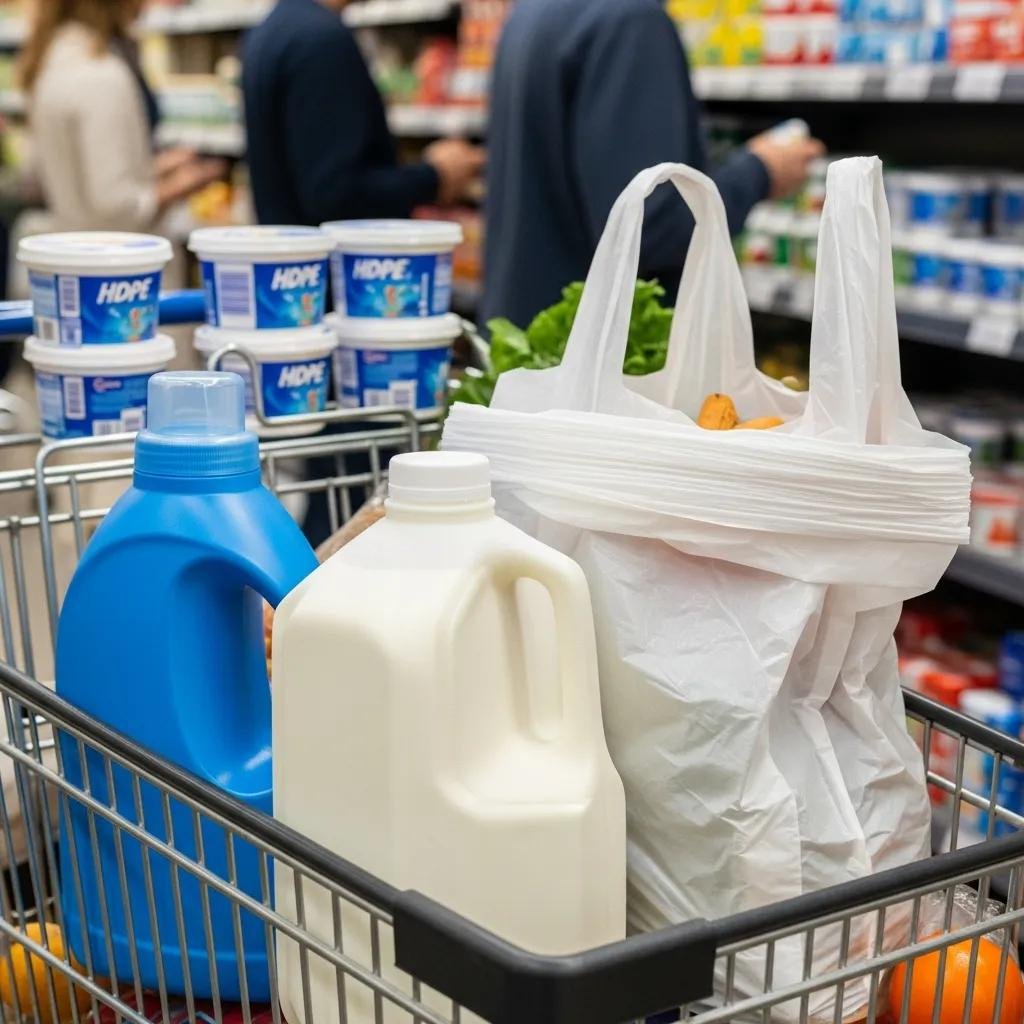
In consumer packaging, HDPE is commonly used for products such as grocery bags, milk jugs, and detergent bottles. Its strength and flexibility make it ideal for carrying heavy items while remaining lightweight. In agriculture, HDPE films are utilized for greenhouse covers and mulch films, providing protection for crops while allowing sunlight to penetrate. These applications benefit from HDPE’s durability and resistance to environmental factors, ensuring the longevity of the products.
HDPE films are also employed in various industrial applications, including protective packaging and liners for construction projects. Specialty films made from HDPE can be engineered for specific functions, such as moisture barriers or UV protection. The durability and chemical resistance of HDPE make it suitable for use in harsh industrial environments, where other materials may fail.

The extrusion process for HDPE film production involves several key steps that transform raw materials into finished products. This process is crucial for ensuring the quality and consistency of the final film products.
The HDPE blown film extrusion process begins with the feeding of raw HDPE pellets into an extruder, where they are melted and formed into a continuous tube. This tube is then inflated to create a bubble, which is cooled and collapsed into flat film. The process involves careful control of temperature and pressure to ensure uniform thickness and quality of the film. The final step includes winding the film onto rolls for further processing or distribution.
The quality of HDPE film is significantly influenced by the machine components used in the extrusion process. The extruder must maintain precise temperature control to ensure proper melting of the HDPE. The die head design is critical for achieving the desired film thickness and width, while the winder settings affect the tension and alignment of the finished film. Each component plays a vital role in producing high-quality HDPE film that meets industry standards.
Kingdom Machine Co., Ltd. specializes in manufacturing equipment for HDPE film and bag production. Their offerings include advanced blown film extrusion machines designed to optimize the production process and enhance product quality.
Kingdom Machine’s blown film extrusion machines are equipped with energy-efficient technology that reduces operational costs while maintaining high output levels. These machines feature user-friendly controls that simplify operation and minimize downtime. Additionally, the robust construction of the machines ensures durability and longevity, making them a reliable choice for manufacturers.
Kingdom Machine offers a range of models tailored for efficient HDPE film production. Each model is designed with specific capabilities to meet varying production needs, including different output capacities and film thickness options. This variety allows manufacturers to select the most suitable equipment for their operational requirements, ensuring optimal performance and product quality.
Sustainability is a growing concern in the production of HDPE films and bags. Manufacturers are increasingly adopting practices that promote recycling and the use of sustainable materials in their processes.
Recycling machines play a crucial role in the HDPE circular economy by enabling the reprocessing of used HDPE products into new materials. This process not only reduces waste but also conserves resources by minimizing the need for virgin materials. Advanced recycling technologies are being developed to enhance the efficiency of HDPE recycling, further supporting sustainability efforts in the industry.
The market for HDPE is also being influenced by the rise of bio-based HDPE and other sustainable alternatives. These materials are derived from renewable resources, offering a more environmentally friendly option compared to traditional petroleum-based HDPE. As consumer demand for sustainable products increases, manufacturers are exploring these alternatives to meet market expectations and reduce their environmental footprint.
The HDPE market is experiencing significant growth, driven by increasing demand across various sectors. Understanding current trends and future forecasts is essential for stakeholders in the industry.
Several factors are contributing to the growth of the global HDPE market, including rising demand for packaging materials and advancements in production technologies. The increasing focus on sustainability and recycling is also influencing market dynamics, as consumers and manufacturers alike seek more eco-friendly options. Additionally, the expansion of the construction and automotive industries is expected to further drive demand for HDPE products.
Regional demand patterns play a significant role in shaping HDPE production and applications. Different regions exhibit varying preferences for HDPE products based on local regulations, consumer behavior, and industrial needs. For instance, North America and Europe are witnessing a shift towards sustainable packaging solutions, while Asia-Pacific is experiencing rapid industrialization, leading to increased demand for HDPE in construction and manufacturing applications.
Elevate your brand with customizable shopping bag solutions. Our retail plastic bags enhance your packaging strategy while meeting diverse business needs.
Learn about effective plastic recycling strategies implemented across Europe. Join the movement towards sustainability and reduce environmental impact today.
Learn how to effectively launch a high-volume bag production facility with our detailed case study. Optimize operations and maximize returns today!
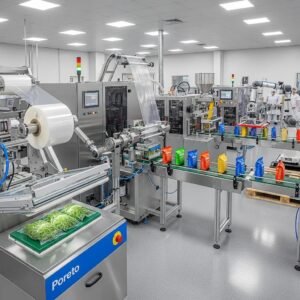
Elevate your food safety with innovative plastic packaging. Our food-grade bags and films enhance freshness, ensuring quality and longevity in every bite.

