

Customizable Shopping Bag Solutions for Retailers
Elevate your brand with customizable shopping bag solutions. Our retail plastic bags enhance your packaging strategy while meeting diverse business needs.

Die head designs play a crucial role in the blown film extrusion process, significantly influencing the quality and characteristics of the final product. This article delves into the various types of die heads, their operational mechanisms, and how they affect film quality. Readers will gain insights into the importance of selecting the right die head design for specific applications, as well as best practices for maintenance to ensure longevity and optimal performance. Understanding these elements is essential for manufacturers aiming to enhance production efficiency and product quality. We will explore the main types of blown film die heads, the principles of their design, the advantages of internal bubble cooling technology, and how to choose the right die head for your production needs.
Blown film die heads are essential components in the production of plastic films, each designed to meet specific manufacturing requirements. The primary types include spiral mandrel die heads and multi-layer die heads, each offering unique benefits and applications.

A spiral mandrel die head operates by directing the polymer melt through a spiral flow channel, which promotes uniform melt distribution. This design enhances film quality by minimizing thickness variations and ensuring consistent output. The benefits of using a spiral mandrel die head include improved film uniformity and strength, making it ideal for applications requiring high-quality films, such as packaging and agricultural films.
Multi-layer blown film die heads are designed to produce films with multiple layers, allowing for enhanced barrier properties and material efficiency. These die heads can combine different polymers, enabling manufacturers to tailor film characteristics for specific applications. Key features include adjustable layer ratios and the ability to incorporate additives, which improve the film’s mechanical properties and functionality, such as UV resistance and moisture barrier capabilities.
The design principles of extrusion die heads significantly impact the quality of the produced film. Factors such as flow channel geometry, material selection, and temperature control are critical in determining the final product’s characteristics.
Flow channel design is pivotal in ensuring even polymer melt distribution across the die head. An optimized flow channel geometry minimizes dead zones and turbulence, which can lead to inconsistencies in film thickness and quality. Proper design techniques, such as using tapered channels and spiral mandrels, can enhance melt flow and improve film uniformity, resulting in higher-quality outputs.
Material selection and temperature control are vital for die head performance. The choice of polymer affects the melt viscosity and flow behavior, which in turn influences the extrusion process. Maintaining optimal temperature is crucial for achieving the desired melt flow characteristics. Inadequate temperature control can lead to issues such as degradation of the polymer or uneven film thickness, ultimately affecting the film’s mechanical properties and usability.

Internal Bubble Cooling (IBC) die head technology is an innovative approach that enhances the cooling process of the extruded film. This technology involves circulating cooling air inside the bubble, rather than within the die head itself, which helps maintain a consistent temperature profile throughout the film bubble.
IBC technology significantly improves production capacity by allowing for faster cooling rates, which can increase the line speed without compromising film quality. Additionally, it enhances film uniformity by reducing temperature gradients, leading to more consistent thickness and mechanical properties across the film. This results in higher-quality products that meet stringent industry standards.
An IBC die head system comprises several critical components, including the die body, air distribution ring, cooling air channels, and control systems. Each component plays a role in ensuring effective cooling and uniform film production. The integration of advanced sensors and automation in IBC systems allows for precise control over the cooling process, further enhancing film quality and production efficiency.
Selecting the appropriate blown film die head is essential for optimizing production efficiency and product quality. Several factors should be considered when making this decision.
Different die head types are suited for various film materials and applications. For instance, spiral mandrel die heads are ideal for single-layer films, while multi-layer die heads are better for producing films with enhanced barrier properties. Understanding the specific requirements of the film material and the intended application is crucial for selecting the right die head.
When choosing a die head, it is important to consider the desired film thickness and output capacity. The die head design must accommodate the required thickness while ensuring efficient melt flow and cooling. Additionally, the output capacity should align with production goals, as different die heads can handle varying throughput levels. Balancing these factors is key to achieving optimal production performance.
Proper maintenance of blown film die heads is essential for ensuring their longevity and optimal performance. Implementing best practices can prevent common issues and enhance the overall efficiency of the extrusion process.
To prevent wear and corrosion in die head components, regular inspections and maintenance routines should be established. Using high-quality materials that resist corrosion and wear can significantly extend the lifespan of die heads. Additionally, implementing protective coatings and ensuring proper lubrication can help mitigate wear and maintain performance.
Regular cleaning of die heads is crucial for maintaining optimal performance. Recommended cleaning procedures include using appropriate solvents and tools to remove polymer residues and contaminants. Establishing a cleaning schedule based on production volume and material type can help ensure that die heads operate efficiently and produce high-quality films consistently.
The table above summarizes the key features and typical applications of different die head types, highlighting their unique advantages in blown film extrusion.
Blown film die heads are integral to the production of high-quality plastic films. Understanding the various types, their operational principles, and maintenance practices is essential for manufacturers aiming to optimize their production processes. By selecting the right die head design and implementing best practices, companies can enhance film quality and production efficiency, ultimately leading to better products and increased competitiveness in the market.
Elevate your brand with customizable shopping bag solutions. Our retail plastic bags enhance your packaging strategy while meeting diverse business needs.

Learn about effective plastic recycling strategies implemented across Europe. Join the movement towards sustainability and reduce environmental impact today.
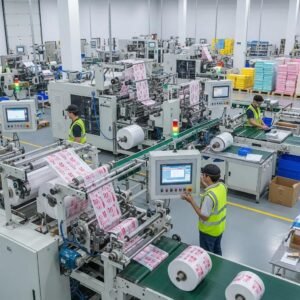
Learn how to effectively launch a high-volume bag production facility with our detailed case study. Optimize operations and maximize returns today!
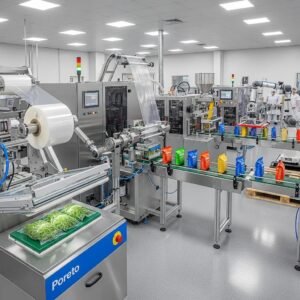
Elevate your food safety with innovative plastic packaging. Our food-grade bags and films enhance freshness, ensuring quality and longevity in every bite.

