

Customizable Shopping Bag Solutions for Retailers
Elevate your brand with customizable shopping bag solutions. Our retail plastic bags enhance your packaging strategy while meeting diverse business needs.

The demand for sustainable packaging solutions has surged as businesses and consumers alike seek eco-friendly alternatives to traditional plastics. This article explores the innovative bioplastics PLA, PBAT, and PHA, which are leading the charge in sustainable packaging. Readers will learn about the properties, benefits, and applications of these materials, as well as the advanced machinery used in their production. The growing concern over plastic waste and environmental impact has prompted a shift towards biodegradable options, making this topic increasingly relevant. We will delve into the differences between these bioplastics, the technology behind their production, and how businesses can partner with Kingdom Machine Co., Ltd. for effective film extrusion solutions.
PLA, or Polylactic Acid, is derived from renewable resources like corn starch or sugarcane, making it a compostable option under industrial composting conditions. PBAT, or Polybutylene Adipate Terephthalate, is a biodegradable copolymer known for its flexibility and is often blended with PLA to enhance film properties. PHA, or Polyhydroxyalkanoates, is produced by microbial fermentation and is fully biodegradable, breaking down in various environments including soil and marine conditions.
Polylactic Acid (PLA) is a biodegradable thermoplastic made from renewable resources. Its primary benefits in packaging include its compostability under industrial conditions and lower carbon footprint compared to traditional plastics. PLA is widely used in food packaging, disposable cutlery, and containers, providing a sustainable option that meets consumer demand for eco-friendly products. Additionally, PLA’s clarity and gloss make it an attractive choice for brands looking to maintain aesthetic appeal while being environmentally responsible.
Polybutylene Adipate Terephthalate (PBAT) is a biodegradable copolymer that enhances the flexibility of films. When blended with PLA, PBAT improves the mechanical properties of the resulting film, making it suitable for applications requiring stretchability and durability. This combination is particularly beneficial for packaging that needs to withstand handling and transportation stresses. PBAT’s ability to biodegrade in various environments, including soil and compost, further supports its use in sustainable packaging solutions.
PHA, or Polyhydroxyalkanoates, is a unique biopolymer produced by microorganisms through fermentation processes. Unlike PLA and PBAT, PHA is fully biodegradable in marine, soil, and compost environments, making it an excellent choice for eco-friendly packaging. Its properties include good thermal stability and flexibility, which allow for a wide range of applications, from agricultural films to food packaging.
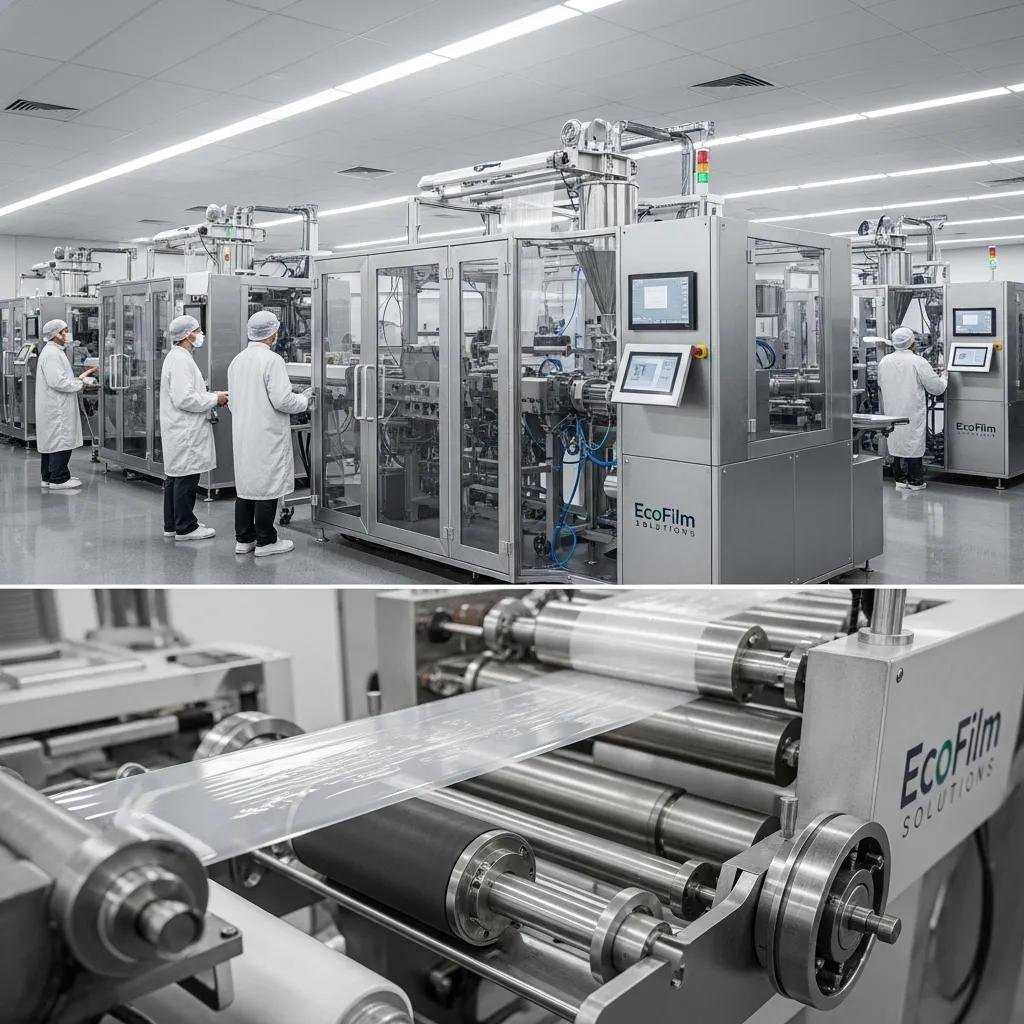
Polyhydroxyalkanoates possess several advantageous properties, including biodegradability, biocompatibility, and the ability to be processed into various forms. Common applications of PHA include packaging materials, agricultural films, and medical devices. Its environmental benefits stem from its ability to decompose naturally, reducing plastic pollution and supporting sustainable practices in various industries.
PHA is considered fully biodegradable due to its natural decomposition process, which occurs through microbial activity in diverse environments. This biopolymer breaks down into harmless byproducts, such as water and carbon dioxide, making it a sustainable alternative to traditional plastics. The production of PHA from renewable resources further enhances its sustainability profile, aligning with global efforts to reduce plastic waste and promote circular economy practices.
The production of biodegradable films requires specialized machinery designed to handle the unique properties of bioplastics. Kingdom Machine Co., Ltd. offers advanced film extrusion machines that cater to the needs of manufacturers looking to produce sustainable packaging solutions. These machines are equipped with features that optimize the processing of PLA, PBAT, and PHA, ensuring high-quality output.
Kingdom Machine’s biodegradable film blowing machines are characterized by their operational excellence and customization options. These machines are designed to process various bioplastics efficiently, with features that enhance film quality and production speed. The ability to customize settings for different materials allows manufacturers to achieve optimal results, making these machines a valuable investment for sustainable packaging production.
Specialized screw designs play a crucial role in optimizing the extrusion of bioplastics. These designs ensure consistent melting and mixing of materials, which is essential for producing high-quality films. By enhancing the flow characteristics of PLA, PBAT, and PHA, specialized screws improve the overall efficiency of the extrusion process, leading to better film properties and reduced production costs.
Film extrusion technology is pivotal in the production of sustainable packaging materials. This process involves melting and shaping bioplastics into films that can be used for various applications. The advancements in film extrusion technology have made it possible to produce high-quality biodegradable films that meet the demands of modern packaging.
Blown film extrusion involves extruding molten plastic through a circular die, creating a thin film that is then cooled and inflated. This process is particularly effective for bioplastics like PLA, PBAT, and PHA, as it allows for the production of lightweight and flexible films. The ability to control the thickness and properties of the film during extrusion ensures that manufacturers can meet specific packaging requirements.
Co-extrusion technology enables the production of multi-layer films that combine different materials to enhance performance. This method allows manufacturers to create films with varying properties, such as barrier resistance and mechanical strength, while still utilizing biodegradable materials. The benefits of co-extrusion include improved functionality, reduced material usage, and the ability to tailor films for specific applications, making it a valuable technique in sustainable packaging production.
The bioplastics market is experiencing significant growth, driven by increasing consumer demand for sustainable products and stricter regulations on plastic waste. As businesses seek to align with environmental goals, the adoption of bioplastics in packaging is becoming more prevalent. Understanding these trends is essential for manufacturers looking to stay competitive in the evolving market landscape.
The global biodegradable plastics market is projected to grow substantially by 2026, fueled by rising awareness of environmental issues and the need for sustainable packaging solutions. Market research indicates that the demand for bioplastics will continue to increase as more companies commit to reducing their carbon footprint and adopting eco-friendly practices. This growth presents opportunities for manufacturers to innovate and expand their product offerings in the bioplastics sector.
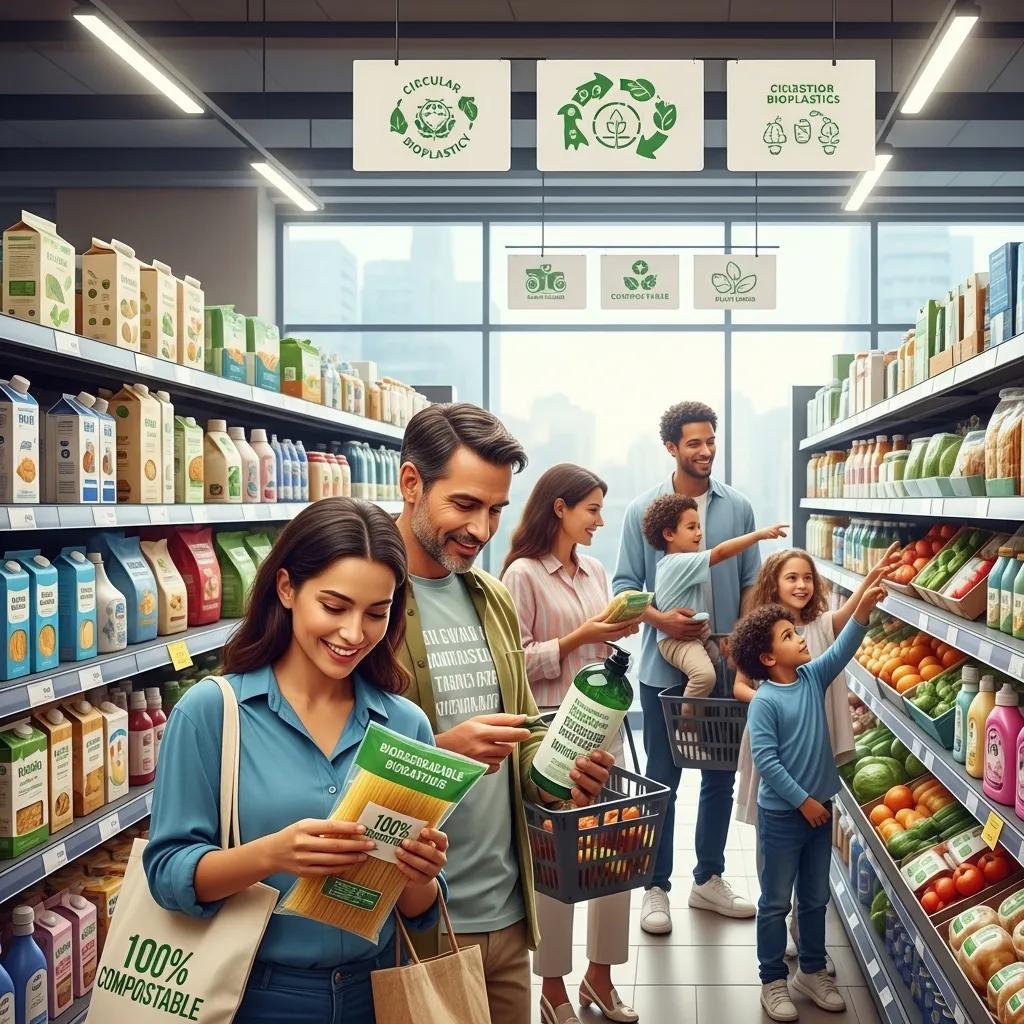
Regulatory frameworks aimed at reducing plastic waste are influencing the shift towards sustainable packaging. Governments worldwide are implementing policies that encourage the use of biodegradable materials and impose restrictions on single-use plastics. Additionally, consumer preferences are shifting towards eco-friendly products, prompting businesses to adopt sustainable packaging solutions to meet market demands. This combination of regulatory pressure and consumer demand is driving innovation in the bioplastics industry.
Businesses looking to enhance their sustainable packaging capabilities can benefit from partnering with Kingdom Machine Co., Ltd. The company specializes in providing advanced machinery for bioplastic film production, offering tailored solutions to meet specific manufacturing needs. By collaborating with Kingdom Machine, businesses can access the latest technology and expertise in sustainable film extrusion.
Kingdom Machine offers a range of custom bioplastic extrusion solutions designed to meet the unique requirements of manufacturers. These solutions include specialized machinery for processing PLA, PBAT, and PHA, as well as support services to optimize production efficiency. By leveraging Kingdom Machine’s expertise, businesses can enhance their production capabilities and contribute to a more sustainable future.
Case studies showcasing successful bioplastic film production highlight the effectiveness of Kingdom Machine’s solutions in real-world applications. These examples demonstrate how businesses have successfully implemented bioplastic packaging solutions, achieving both sustainability goals and operational efficiency. By reviewing these case studies, potential partners can gain insights into the benefits of collaborating with Kingdom Machine for their sustainable film production needs.
The table above illustrates the various machine types offered by Kingdom Machine, highlighting their key features and benefits for sustainable film production. By investing in advanced machinery, businesses can improve their production processes and contribute to a more sustainable packaging industry.
Elevate your brand with customizable shopping bag solutions. Our retail plastic bags enhance your packaging strategy while meeting diverse business needs.
Learn about effective plastic recycling strategies implemented across Europe. Join the movement towards sustainability and reduce environmental impact today.
Learn how to effectively launch a high-volume bag production facility with our detailed case study. Optimize operations and maximize returns today!
Elevate your food safety with innovative plastic packaging. Our food-grade bags and films enhance freshness, ensuring quality and longevity in every bite.

