

Reliable Spare Parts and Components for Your Machines
Elevate your machinery performance with our premium spare parts and components. Trust in our quality and reliability for optimal operation and longevity.

ABA co-extrusion blown film machines represent a significant advancement in the production of multi-layer plastic films, offering manufacturers a cost-effective solution to meet diverse packaging needs. This article delves into the mechanics of ABA co-extrusion technology, its benefits, and its applications in the plastic film industry. Readers will gain insights into how this technology optimizes raw material usage, enhances film properties, and ultimately reduces production costs. As businesses strive for efficiency and sustainability, understanding the advantages of ABA co-extrusion becomes essential. We will explore the structure and function of these machines, the key benefits they offer, their technical specifications, common applications, and how they compare to other blown film technologies. Finally, we will highlight why Kingdom Machine Co., Ltd. is a leading choice for manufacturers seeking reliable ABA co-extrusion solutions.
An ABA co-extrusion blown film machine is designed to produce multi-layer plastic films using a three-layer A-B-A structure. This configuration allows for the combination of different materials, enhancing the film’s properties while optimizing production efficiency. The A-B-A structure consists of two outer layers (A) and a middle layer (B), which can be made from different polymers to achieve desired characteristics such as barrier properties, strength, and flexibility. This design improves film quality and can reduce material costs by allowing the use of recycled plastics in the middle layer.
The three-layer A-B-A structure significantly enhances film production by improving material efficiency and film quality. The outer layers can be tailored to provide specific surface properties, such as gloss or printability, while the middle layer can be optimized for strength and barrier performance. This configuration allows manufacturers to use less expensive or recycled materials for the inner layer without compromising the overall quality of the film. Additionally, the A-B-A structure facilitates stable production speeds, as the multi-layer design can provide better film properties compared to traditional single-layer films.
Dual extruders are crucial in ABA blown film extrusion, as they enable the simultaneous processing of multiple materials. Each extruder feeds a different polymer into the die, allowing for precise control over the layer thickness and composition. This capability ensures consistent material layering, which is essential for achieving uniform film properties. Moreover, the use of dual extruders contributes to production consistency and cost savings, as manufacturers can optimize the use of raw materials and reduce waste during the extrusion process.
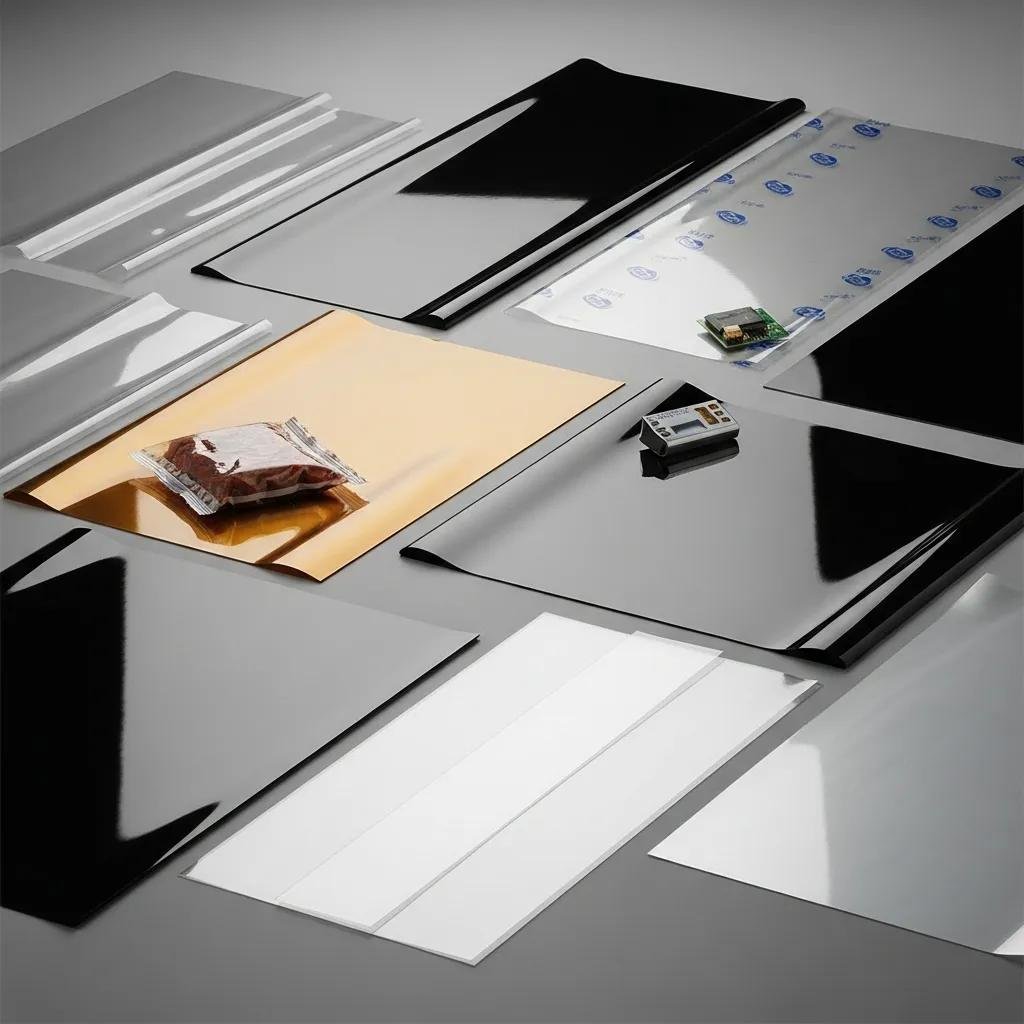
ABA co-extrusion technology offers several key benefits that contribute to cost-effective production in the plastic film industry. By optimizing raw material usage and enhancing film properties, manufacturers can achieve significant savings while maintaining high-quality standards.
One of the primary advantages of ABA co-extrusion is its ability to incorporate recycled plastics into the production process. By using recycled materials for the middle layer, manufacturers can reduce raw material costs without sacrificing film quality. This approach not only lowers production expenses but also supports sustainability efforts by minimizing waste and promoting the circular economy. Studies indicate that using recycled content can reduce material costs by approximately 10-30%, depending on the quality and type of recycled material, making ABA technology an economically viable option for manufacturers.
ABA extrusion enhances film strength and surface quality through its innovative layering technique. The outer layers can be engineered to provide superior surface properties, such as improved printability and gloss, while the middle layer contributes to the film’s overall strength and durability. This combination results in films that are not only visually appealing but also capable of withstanding the rigors of packaging and transportation. Additionally, the ability to customize each layer allows manufacturers to meet specific customer requirements, further enhancing the value of ABA co-extruded films.
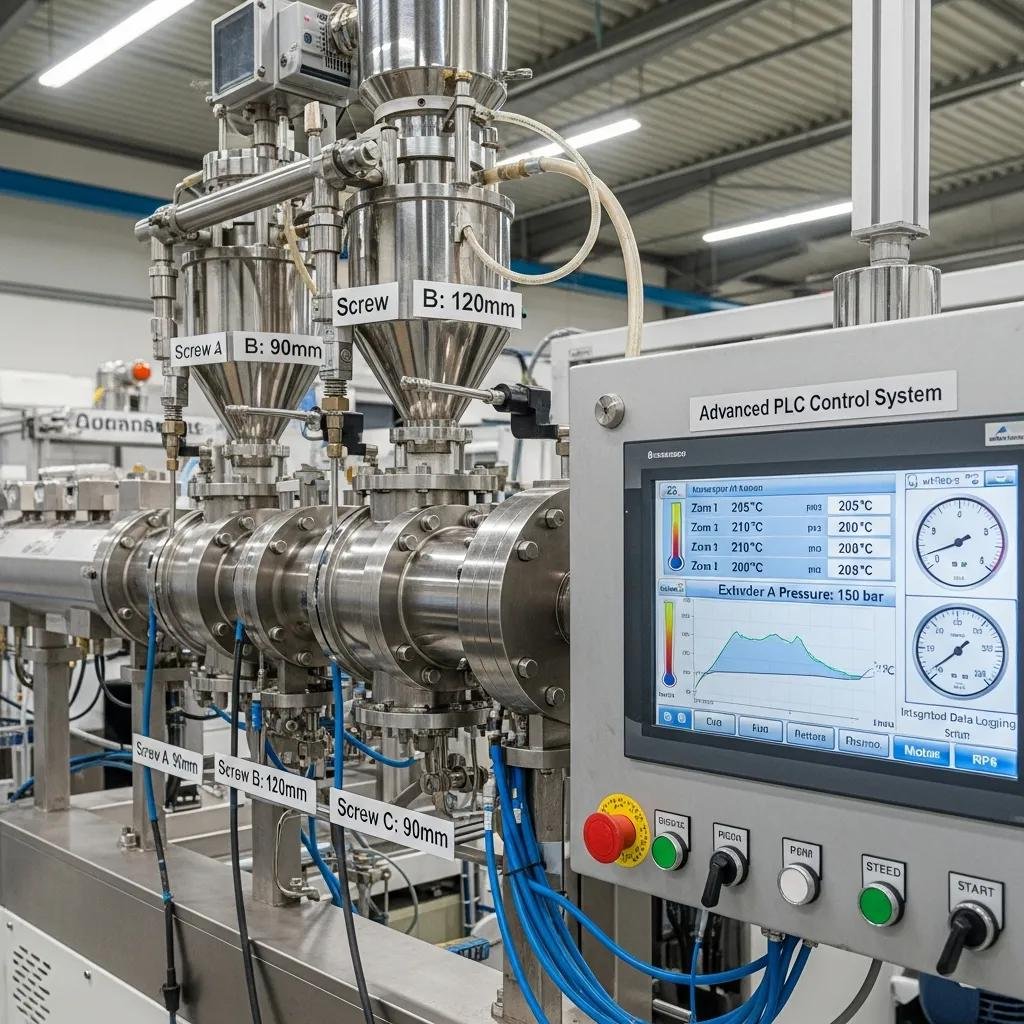
High-output ABA film extruders are characterized by specific technical specifications that enhance their performance and efficiency. Understanding these features is essential for manufacturers looking to invest in advanced co-extrusion technology.
The typical screw diameters for ABA film extruders range from 45mm to 120mm, depending on the desired output and material type. Output rates can vary significantly, with high-output machines capable of producing up to 600-800 kg/h of film. Advanced control systems, including PLC (Programmable Logic Controller) technology, allow for precise monitoring and adjustment of the extrusion process, ensuring consistent quality and efficiency. These specifications are critical for manufacturers aiming to maximize production while minimizing downtime.
Energy-saving motors and PLC controls play a vital role in enhancing the operational efficiency of ABA film extruders. By utilizing energy-efficient motors, manufacturers can reduce energy consumption by up to 20-30%, leading to significant cost savings over time. PLC controls enable real-time monitoring of the extrusion process, allowing for quick adjustments to optimize performance and reduce waste. This combination of technology not only improves the overall efficiency of the production process but also contributes to a more sustainable manufacturing operation.
ABA co-extrusion blown film machines are widely used in various applications across the packaging industry. Their versatility and efficiency make them suitable for producing a range of plastic films.
ABA films are commonly used in the production of plastic bags, packaging materials, and industrial films. The ability to customize the film’s properties makes it ideal for applications requiring specific barrier characteristics, such as moisture resistance or UV protection. For instance, ABA films are often utilized in food packaging to extend shelf life and maintain product freshness. Additionally, their strength and durability make them suitable for industrial applications, including pallet wraps and protective films.
ABA co-extrusion technology is compatible with a variety of polymers, including polyethylene (PE), polypropylene (PP), and ethylene vinyl alcohol (EVOH) for barrier layers. Polystyrene (PS) is less commonly used in blown film extrusion due to its processing characteristics. Furthermore, the incorporation of recycled materials, such as post-consumer recycled (PCR) plastics, is increasingly common in ABA film production. This compatibility allows manufacturers to tailor their films to meet specific performance requirements while promoting sustainability through the use of recycled content.
When evaluating blown film technologies, ABA co-extrusion stands out for its unique advantages and capabilities. Understanding how it compares to other methods is essential for manufacturers seeking the best solutions for their production needs.
The primary difference between ABA and ABC co-extrusion machines lies in their layer configurations. ABA machines utilize a three-layer structure with two outer layers of the same material and a middle layer of a different material, while ABC machines feature three distinct layers, each potentially made from different materials. This distinction affects the film’s properties, with ABA co-extrusion often providing better material efficiency and cost-effectiveness due to its simpler structure. Manufacturers must consider these differences when selecting the appropriate technology for their specific applications.
Upgrading from monolayer to ABA blown film extrusion offers significant benefits in both cost and quality. Monolayer films often lack the versatility and performance characteristics of multi-layer films, leading to higher material costs and lower product quality. In contrast, ABA co-extrusion allows for the optimization of each layer’s properties, resulting in films that are stronger, more durable, and better suited for various applications. This upgrade can lead to long-term savings and improved customer satisfaction, making it a worthwhile investment for manufacturers.
When selecting a manufacturer for ABA co-extrusion blown film machines, Kingdom Machine Co., Ltd. stands out as a leading choice. Their commitment to quality and innovation ensures that customers receive reliable and efficient machinery tailored to their production needs.
Kingdom Machine Co., Ltd. offers a range of unique features in their ABA co-extrusion machines, including advanced control systems and energy-efficient motors. Additionally, their after-sales services provide customers with comprehensive support, including installation, training, and maintenance. This commitment to customer satisfaction ensures that manufacturers can operate their machines at peak efficiency, maximizing productivity and minimizing downtime.
With numerous installations worldwide, Kingdom Machine Co., Ltd. has established a reputation for reliability and performance. Their extensive research and development expertise allows them to continuously improve their machinery, incorporating the latest technological advancements to meet the evolving needs of the industry. This combination of global experience and innovation ensures that customers can trust Kingdom Machine’s products to deliver consistent results in their production processes.
Elevate your machinery performance with our premium spare parts and components. Trust in our quality and reliability for optimal operation and longevity.
Maximize efficiency with expert installation for your plastic production machines. Our professional team ensures optimal performance tailored to your needs.

Transform your concepts into reality with our tailored installation solutions. Experience professional guidance and exceptional results designed just for you.

Elevate your production with essential tips for selecting the right plastic bag making equipment. Make informed choices for efficiency and quality today.
