

Customizable Shopping Bag Solutions for Retailers
Elevate your brand with customizable shopping bag solutions. Our retail plastic bags enhance your packaging strategy while meeting diverse business needs.
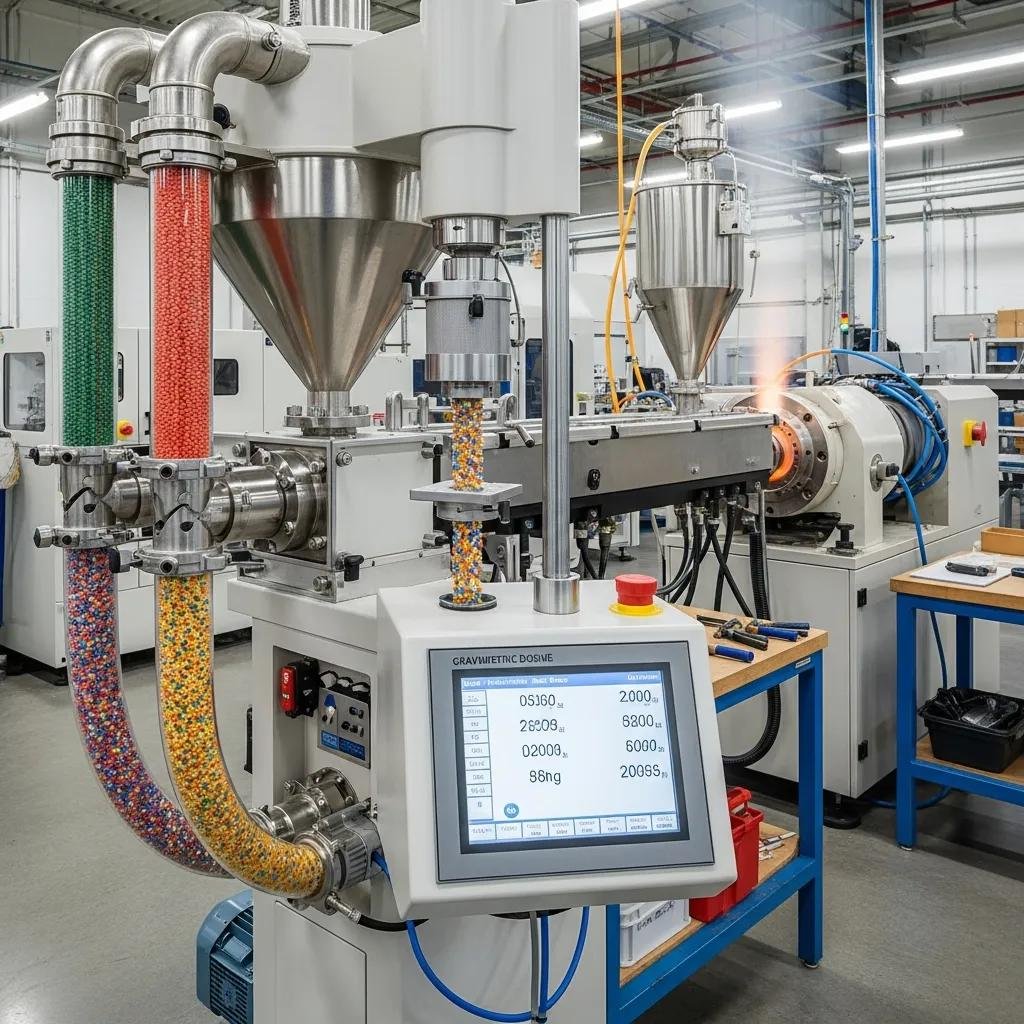
Precision material feeding is crucial in the plastic extrusion industry, where the quality of the final product heavily relies on the accuracy of material input. Gravimetric dosing units play a pivotal role in ensuring that the right amount of material is fed into the extrusion process, thereby enhancing product consistency and reducing waste. This article delves into the mechanics of gravimetric dosing systems, their benefits, integration with blown film extrusion machines, and comparisons with volumetric dosing systems. By understanding these systems, manufacturers can optimize their production processes and achieve superior results.
A gravimetric dosing system is designed to measure and control the weight of materials being fed into an extrusion process, ensuring precise material feeding. This system operates on the principle of loss-in-weight feeding, where the weight of the material is continuously monitored and adjusted to maintain the desired feed rate. The accuracy of gravimetric dosing is vital for achieving consistent product quality, particularly in applications like blown film production, where variations in material input can lead to defects.
A loss-in-weight feeder functions by continuously measuring the weight of the material in the hopper. As material is dispensed, the feeder calculates the weight loss and adjusts the feed rate accordingly to maintain a constant output. This real-time monitoring allows for precise control over the material flow, which is essential for maintaining the quality of the extruded product. The integration of load cells and control systems enhances the accuracy of this process, making loss-in-weight feeders a preferred choice in many industrial applications.
Gravimetric dosing units consist of several key components that work together to ensure accurate material feeding:
Understanding these components is essential for optimizing the performance of gravimetric dosing systems.
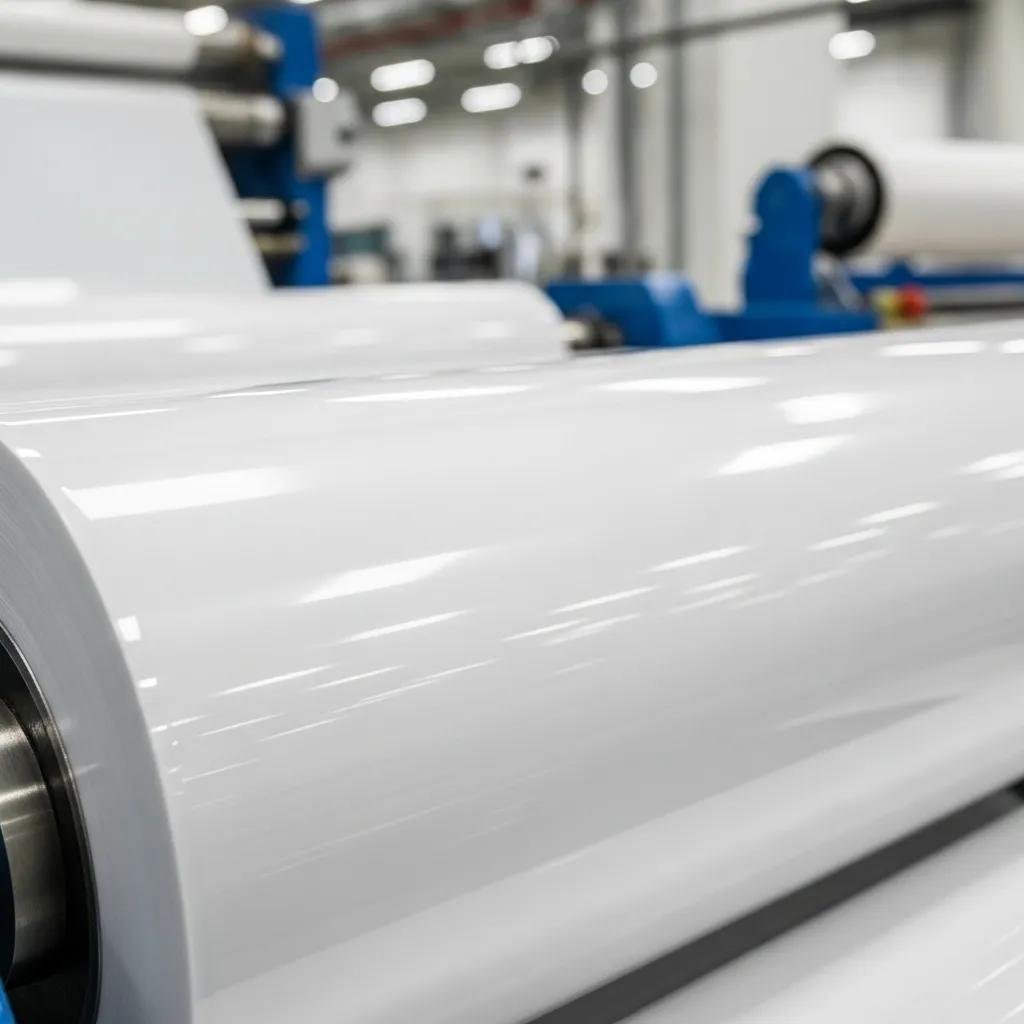
Gravimetric dosing units offer several advantages in plastic extrusion, significantly impacting production efficiency and product quality.
These benefits highlight the importance of gravimetric dosing in enhancing the overall efficiency of plastic extrusion processes.
Integrating gravimetric dosing units into production lines can lead to significant improvements in efficiency and cost-effectiveness.
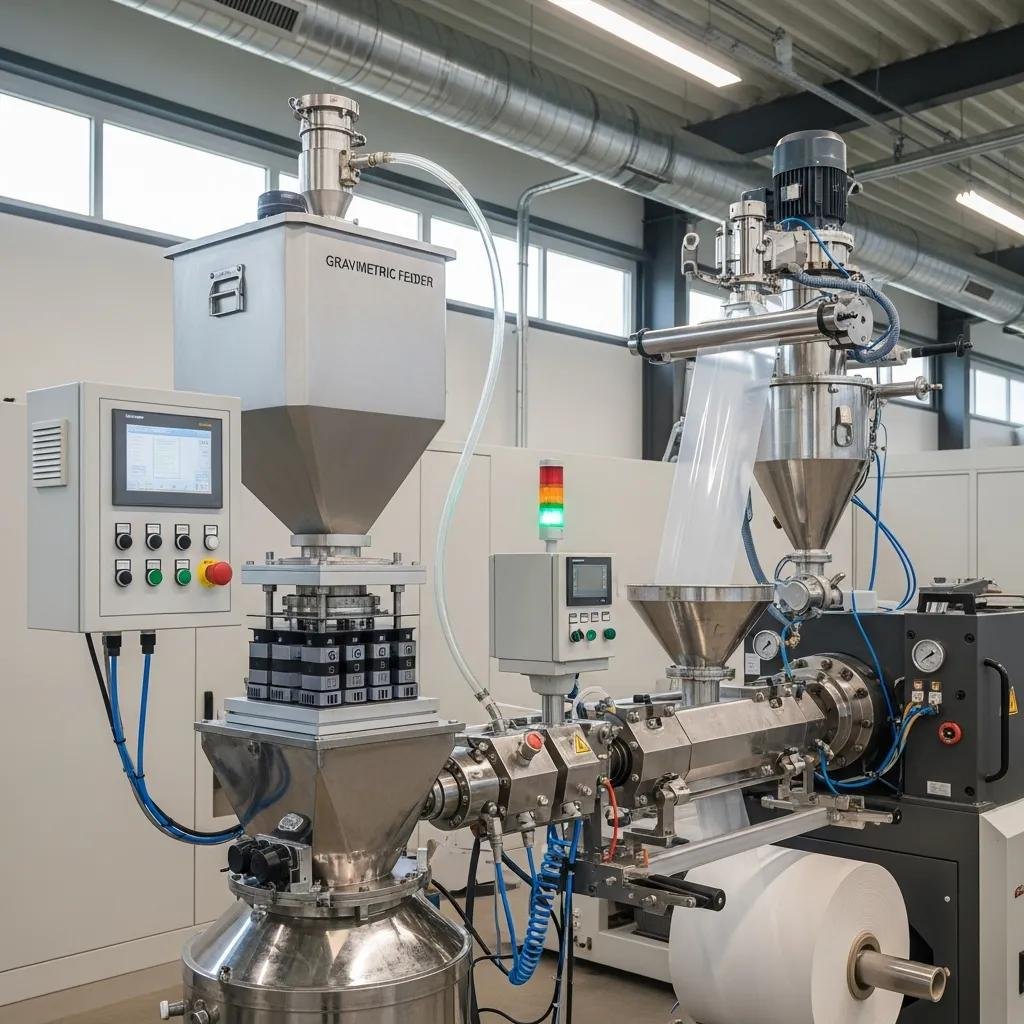
Integrating gravimetric feeders with blown film extrusion machines requires careful consideration of compatibility and control systems.
When integrating gravimetric dosing systems with Kingdom Machine extruders, it is essential to ensure that the feeder is compatible with the specific machine model. This includes verifying the specifications of the extruder and the feeder to ensure seamless operation. Additionally, understanding the material flow characteristics and the required feed rates is crucial for successful integration.
Control system integration plays a vital role in enhancing extrusion accuracy. By connecting the gravimetric feeder to the extruder’s control system, manufacturers can achieve real-time adjustments based on the material flow. This integration allows for better synchronization between the feeder and the extruder, resulting in improved product quality and reduced variability in the extrusion process.
When choosing between gravimetric and volumetric dosing systems, several factors must be considered, including accuracy and cost.
Gravimetric dosing systems are generally more accurate than volumetric systems, as they measure the weight of the material directly. This precision leads to better control over the material feed rate, which is crucial for maintaining product quality. However, volumetric systems may have lower initial costs and can be suitable for applications where extreme accuracy is not as critical.
Manufacturers should opt for gravimetric dosing when product quality is paramount, particularly in applications requiring precise material specifications. Additionally, if the production process involves expensive materials or additives, the cost savings from reduced waste can justify the investment in gravimetric systems.
Maintaining gravimetric dosing units is essential for ensuring their long-term performance and reliability.
Common issues in gravimetric feeders include inaccurate weight readings and inconsistent feed rates. To resolve these issues, operators should regularly calibrate the load cells and check for any obstructions in the material flow. Additionally, ensuring that the control system is functioning correctly is crucial for maintaining accurate dosing.
Regular calibration of the dosing unit is vital for ensuring accuracy. Best practices include:
Implementing these practices can significantly enhance the reliability and accuracy of gravimetric dosing units.
In conclusion, gravimetric dosing units are essential for achieving optimal performance in plastic extrusion processes. By understanding their functionality, benefits, and maintenance practices, manufacturers can enhance their production efficiency and product quality.
Elevate your brand with customizable shopping bag solutions. Our retail plastic bags enhance your packaging strategy while meeting diverse business needs.
Learn about effective plastic recycling strategies implemented across Europe. Join the movement towards sustainability and reduce environmental impact today.

Learn how to effectively launch a high-volume bag production facility with our detailed case study. Optimize operations and maximize returns today!
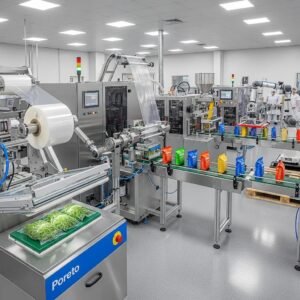
Elevate your food safety with innovative plastic packaging. Our food-grade bags and films enhance freshness, ensuring quality and longevity in every bite.

