Understanding the Plastic Bag Manufacturing Process Step-by-Step
Understanding the Plastic Bag Manufacturing Process Step-by-Step: A Complete Guide to Plastic Bag Production
The plastic bag manufacturing process is a complex yet fascinating journey that transforms raw materials into essential products used globally. This comprehensive guide will delve into the intricacies of plastic bag production, highlighting the various stages involved, the materials used, and the technologies that drive this industry. Readers will gain insights into the significance of quality control, the impact of biodegradable materials, and the role of recycling in sustainable practices. As environmental concerns grow, understanding the manufacturing process becomes crucial for both consumers and manufacturers alike. This article will cover essential raw materials, the blown film extrusion process, printing techniques, bag making methods, quality control measures, and the importance of recycling in plastic bag production.
What Are the Essential Raw Materials Used in Plastic Bag Production?
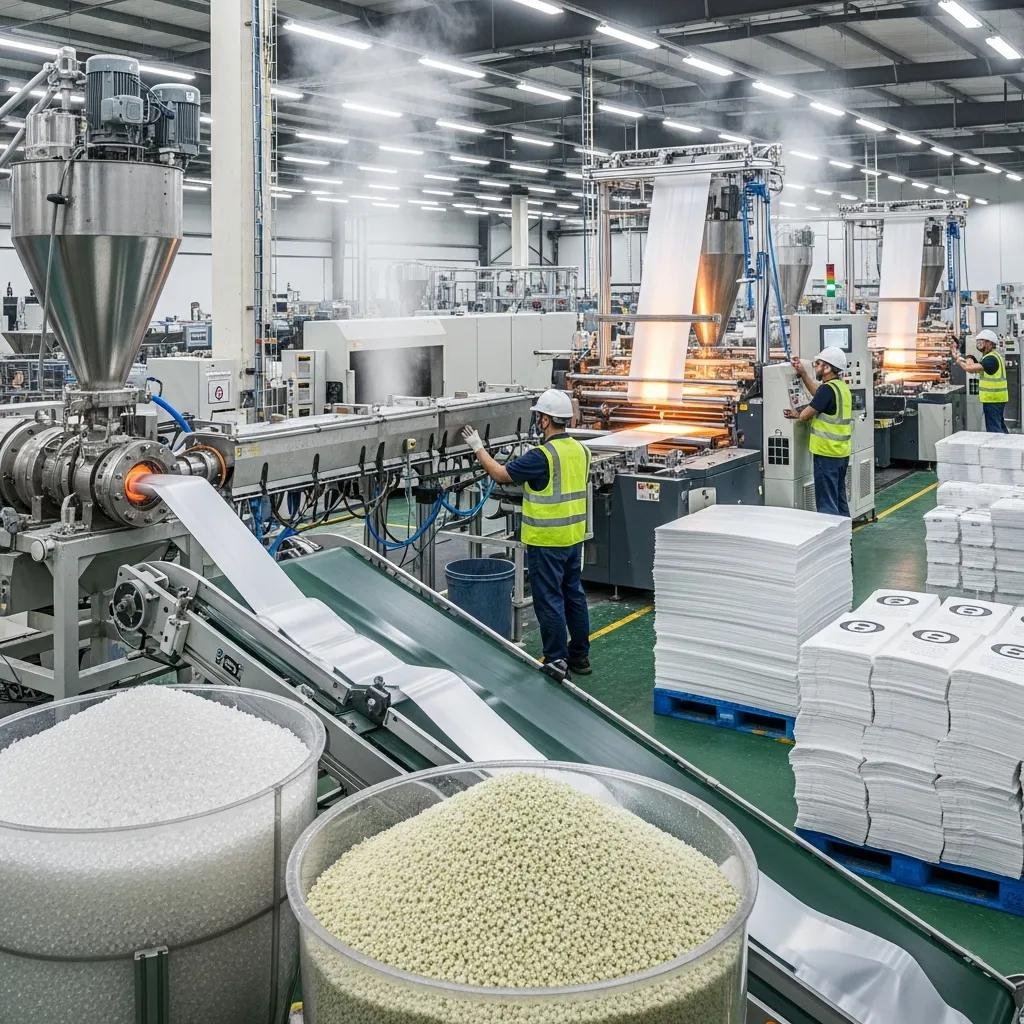
The production of plastic bags relies heavily on specific raw materials that determine the quality and functionality of the final product. Understanding these materials is crucial for manufacturers aiming to produce high-quality bags that meet consumer demands. The primary materials used in plastic bag production include various types of polyethylene, which are essential for creating durable and flexible bags. Additionally, the incorporation of biodegradable materials is becoming increasingly important as manufacturers seek to reduce environmental impact.
Which Types of Polyethylene Are Commonly Used in Plastic Bags?
Polyethylene is the most widely used plastic in bag manufacturing, with three main types dominating the market:
High-Density Polyethylene (HDPE): Known for its strength and rigidity, HDPE is commonly used for grocery bags and trash bags. Its lightweight nature makes it a popular choice for single-use applications.
Low-Density Polyethylene (LDPE): This type is more flexible and softer than HDPE, making it ideal for producing T-shirt bags and other flexible packaging solutions.
Linear Low-Density Polyethylene (LLDPE): Combining the properties of both HDPE and LDPE, LLDPE offers enhanced strength and flexibility, making it suitable for a variety of applications, including stretch films and heavy-duty bags.
How Do Biodegradable Materials Like PBAT and PLA Impact Manufacturing?
The introduction of biodegradable materials such as PBAT (polybutylene adipate terephthalate) and PLA (polylactic acid) is reshaping the plastic bag manufacturing landscape. These materials offer several benefits:
Environmental Impact: Biodegradable bags break down more quickly under industrial composting conditions compared to traditional plastics, reducing landfill waste and pollution.
Manufacturing Challenges: While these materials are beneficial, they can pose challenges in terms of processing and compatibility with existing manufacturing equipment. Manufacturers must adapt their processes to accommodate these new materials effectively.
How Does the Blown Film Extrusion Process Create Plastic Film?
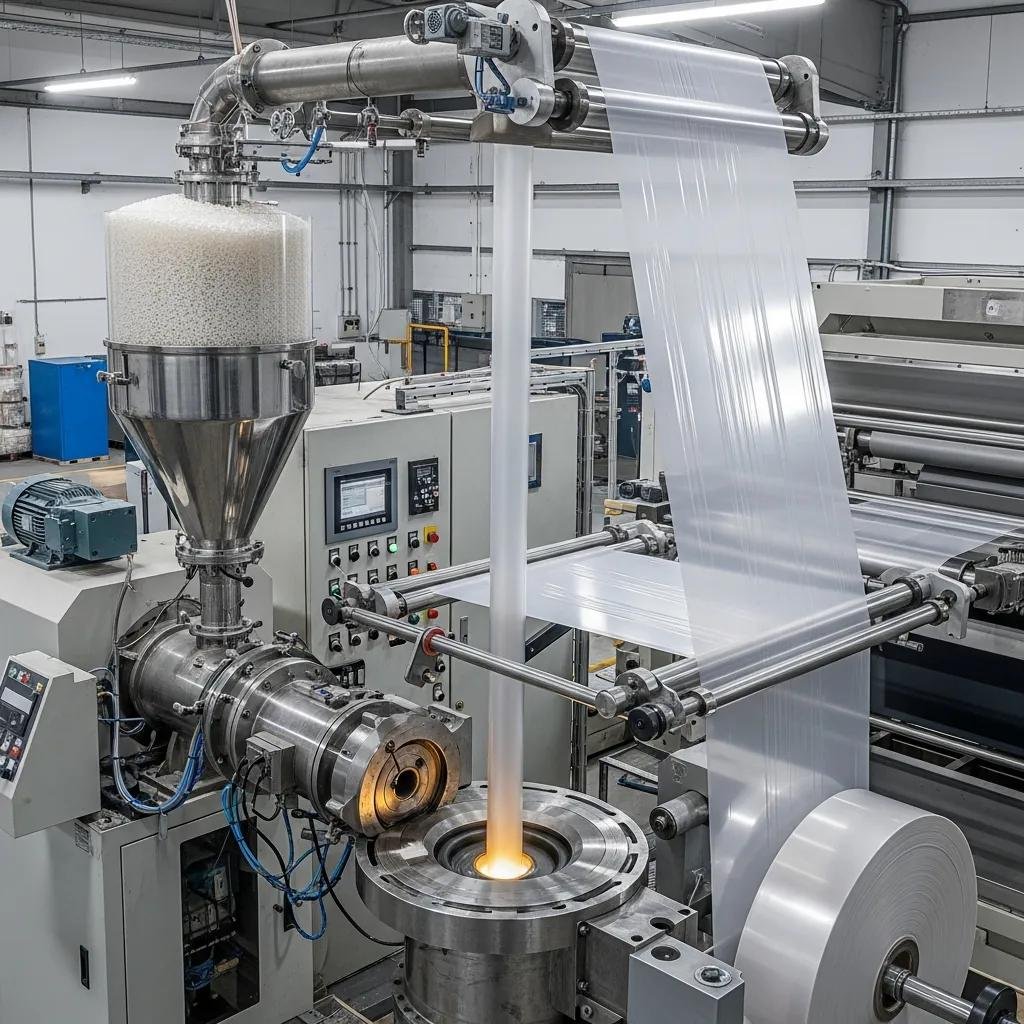
The blown film extrusion process is a critical step in plastic bag manufacturing, where raw polyethylene is transformed into thin plastic film. This process involves several stages that ensure the film produced meets the required specifications for strength and flexibility.
What Are the Step-by-Step Stages of Blown Film Extrusion?
The blown film extrusion process consists of the following stages:
Melting: Raw polyethylene pellets are fed into an extruder, where they are heated and melted into a viscous liquid.
Blowing: The melted plastic is then forced through a circular die, forming a thin tube. Air is blown into the tube, expanding it to the desired thickness.
Cooling: The film is cooled as it rises, solidifying into a thin, flexible sheet that can be rolled for further processing.
What Are the Differences Between Single-Layer and Multi-Layer Co-Extrusion Machines?
Single-layer and multi-layer co-extrusion machines differ primarily in their capabilities:
Single-Layer Machines: These machines produce a single layer of film, which is suitable for basic applications where cost-effectiveness is a priority.
Multi-Layer Co-Extrusion Machines: These advanced machines can produce films with multiple layers, allowing for enhanced barrier properties and improved strength. This technology is essential for producing bags that require specific characteristics, such as moisture resistance or UV protection.
What Printing Techniques Are Used to Customize Plastic Film?
Printing techniques play a vital role in customizing plastic bags, allowing brands to enhance their visibility and communicate their messages effectively. Various methods are employed in the industry, each with its unique advantages.
How Do Flexographic and Gravure Printing Machines Work in Plastic Bag Production?
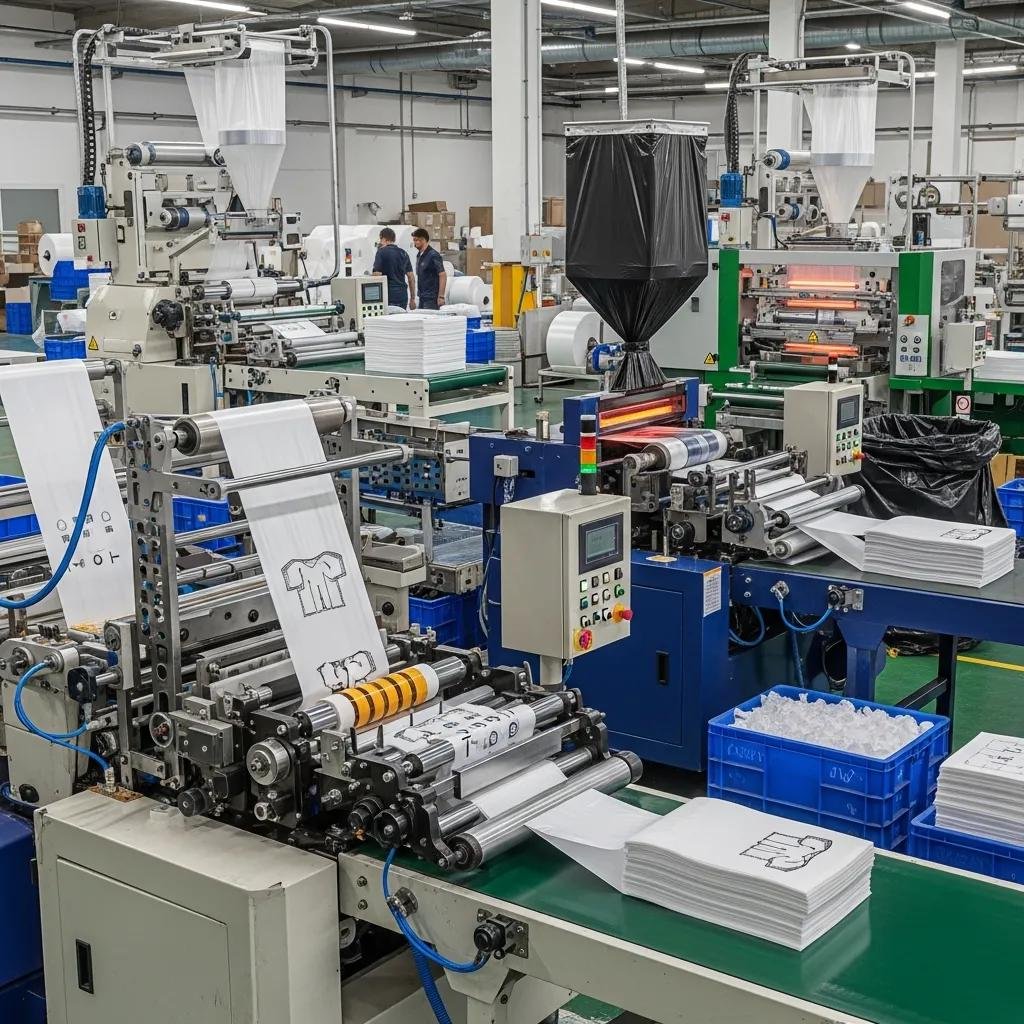
Flexographic Printing: This method uses flexible relief plates to transfer ink onto the film. It is known for its speed and efficiency, making it ideal for high-volume production runs. Flexographic printing is commonly used for packaging materials, including plastic bags.
Gravure Printing: In this technique, engraved cylinders transfer ink to the film. Gravure printing offers high-quality images and is suitable for intricate designs, making it a preferred choice for premium packaging.
How Does Printing Enhance Brand Identity on Plastic Bags?
Effective printing on plastic bags can significantly enhance brand identity by:
Increasing Brand Visibility: Custom designs and logos make bags more recognizable, helping brands stand out in a competitive market.
Influencing Consumer Perception: High-quality printing can convey a sense of professionalism and quality, positively impacting consumer trust and loyalty.
How Are Plastic Bags Made from Film: Cutting, Sealing, and Finishing?
Once the plastic film is produced, it undergoes several processes to transform it into finished bags. These steps are crucial for ensuring the bags are functional and meet quality standards.
What Types of Plastic Bag Making Machines Are Used for Different Bag Styles?
Different bag styles require specific machines, including:
T-shirt Bag Making Machines: Designed to produce T-shirt bags, these machines cut and seal the film in a way that creates handles for easy carrying.
Garbage Bag Making Machines: These machines focus on producing strong, durable bags that can withstand heavy loads.
Bio Bag Making Machines: Specialized for biodegradable materials, these machines ensure that the bags maintain their integrity while being environmentally friendly.
What Are the Common Sealing and Cutting Techniques in Bag Making?
The sealing and cutting techniques used in bag making include:
Heat Sealing: This method uses heat to bond the edges of the plastic film, creating a strong seal that prevents leaks.
Cold Cutting: This technique involves cutting the film without heat, which can be beneficial for certain biodegradable materials that may be sensitive to high temperatures.
How Is Quality Control Ensured in Plastic Bag Manufacturing?
Quality control is a critical aspect of plastic bag manufacturing, ensuring that the final products meet industry standards and consumer expectations. Various methods are employed to maintain high-quality production.
What Testing and Inspection Methods Guarantee Product Integrity?
Manufacturers utilize several testing and inspection methods, including:
Visual Inspections: Regular checks for defects in the film and seals help identify issues early in the production process.
Mechanical Testing: Tests for tensile strength and puncture resistance ensure that the bags can withstand their intended use.
How Are Handles and Special Features Added During Finishing?
During the finishing stage, additional features such as handles or custom designs are added to the bags. This process may involve:
Die-Cutting: Creating specific shapes or features in the bags, such as handles or ventilation holes.
Printing: Applying branding or decorative elements to enhance the bag’s appearance and functionality.
What Role Does Recycling Play in Sustainable Plastic Bag Production?
Recycling is becoming increasingly important in the plastic bag manufacturing industry as companies strive to adopt more sustainable practices. Understanding the role of recycling can help manufacturers reduce their environmental footprint.
How Do Plastic Recycling Machines Integrate into the Manufacturing Line?
Plastic recycling machines are integrated into the manufacturing line to process waste materials and reintroduce them into the production cycle. This integration allows manufacturers to:
Reduce Waste: By recycling scrap materials, manufacturers can minimize waste and lower production costs.
Enhance Sustainability: Using recycled materials in production contributes to a circular economy, reducing the reliance on virgin plastics.
What Are the Environmental Benefits of Using Recycled Materials in Plastic Bags?
Utilizing recycled materials in plastic bag production offers several environmental benefits:
Reduced Resource Consumption: Recycling decreases the need for new raw materials, conserving natural resources.
Lower Carbon Footprint: The energy required to process recycled materials is often less than that needed for virgin materials, resulting in lower greenhouse gas emissions.
Elevate your machinery performance with our premium spare parts and components. Trust in our quality and reliability for optimal operation and longevity.
Maximize efficiency with expert installation for your plastic production machines. Our professional team ensures optimal performance tailored to your needs.
Transform your concepts into reality with our tailored installation solutions. Experience professional guidance and exceptional results designed just for you.
Elevate your production with essential tips for selecting the right plastic bag making equipment. Make informed choices for efficiency and quality today.