

Reliable Spare Parts and Components for Your Machines
Elevate your machinery performance with our premium spare parts and components. Trust in our quality and reliability for optimal operation and longevity.
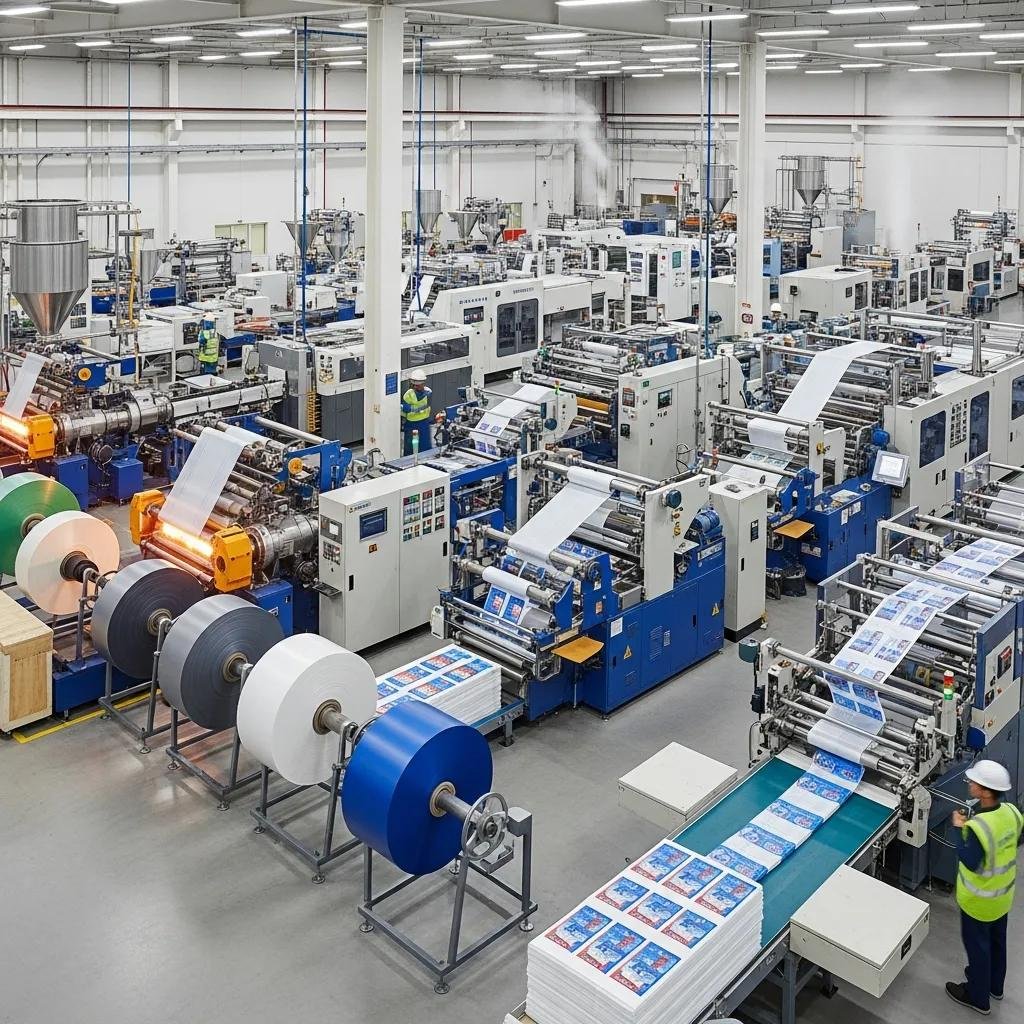
Plastic film and bag production machinery encompasses the equipment used to convert polymer resin into rolled film and finished bags for packaging, retail, waste management, and industrial use. This guide explains how blown film extrusion and bag-making lines operate, which machine types are common in Nigeria, typical price ranges, and the technical and commercial criteria buyers should use when evaluating equipment. Many entrepreneurs and production managers need clear, Nigeria-focused buying guidance—this article delivers process explanations, specification checklists, price-band transparency, and startup steps tailored to local realities. You will learn how a film blowing machine converts pellets into film, how different bag-making machines compare, what ancillary equipment completes a line, and practical procurement tips including warranty and after-sales considerations. Each section includes quick lists, EAV comparison tables, and actionable steps to move from research to quoting, with pointers on where supplier support matters most when arranging purchase and installation.
A film blowing machine, also called a blown film extrusion machine, melts polymer pellets and forces the molten polymer through a circular die to form a continuous tubular film, which is inflated, cooled, collapsed, and wound into rolls. This process converts polyethylene or polypropylene resin into thin film suitable for bags, liners, or flexible packaging; precise control of extrusion temperature, screw speed, and air cooling determines film gauge, clarity, and mechanical properties. The result is rolled film ready for slitting, printing, or converting into finished bags; multi-layer configurations add barrier or strength layers using co-extrusion. Understanding this mechanism helps buyers select extruder size, die head type, and cooling capacity for desired outputs and material blends.
The next subsection breaks down the primary machine parts that influence film quality and uptime, and then the following subsection walks through process variables and common production defects that operators must monitor to maintain consistent output.
A blown film extrusion line consists of several core components that work together to produce consistent film: the extruder (screw and barrel), circular die head, air ring/cooling system, collapsing frame, and winding unit. The extruder controls melt homogeneity and throughput; screw diameter and L/D ratio influence melting efficiency and output capacity. The die head and air ring determine bubble stability and film thickness uniformity, while the collapsing frame and winder affect film lay-flat and roll tension for downstream converting. Routine maintenance of bearings, heaters, and the air ring is critical to prevent wrinkles and gauge variation, and modular components simplify replacement and reduce downtime.
These component roles lead directly into the detailed process flow where temperature, screw speed, and cooling interplay to create film properties and common troubleshooting steps.
Blown film extrusion progresses through a defined sequence: resin feeding and melting, melt conveying via screw, extrusion through a circular die, inflation to form a bubble, controlled cooling with an air ring, collapse and flattening of the bubble, and winding to core rolls. Key control parameters include melt temperature profiles, screw RPM, die gap, frost line height, and winding tension; tuning these variables adjusts film thickness, haze, and tensile strength. Common defects—such as gels, gauge bands, and neck-in—trace to inconsistent melt, die wear, or uneven cooling and are often corrected by recalibrating screw speed, cleaning the die, or optimizing air ring alignment. Systematic monitoring of these variables reduces scrap and stabilizes output for downstream bag-making machines.
This process perspective sets up the discussion of converting rolled film into finished bags and the specific machines used for different bag types in Nigeria.
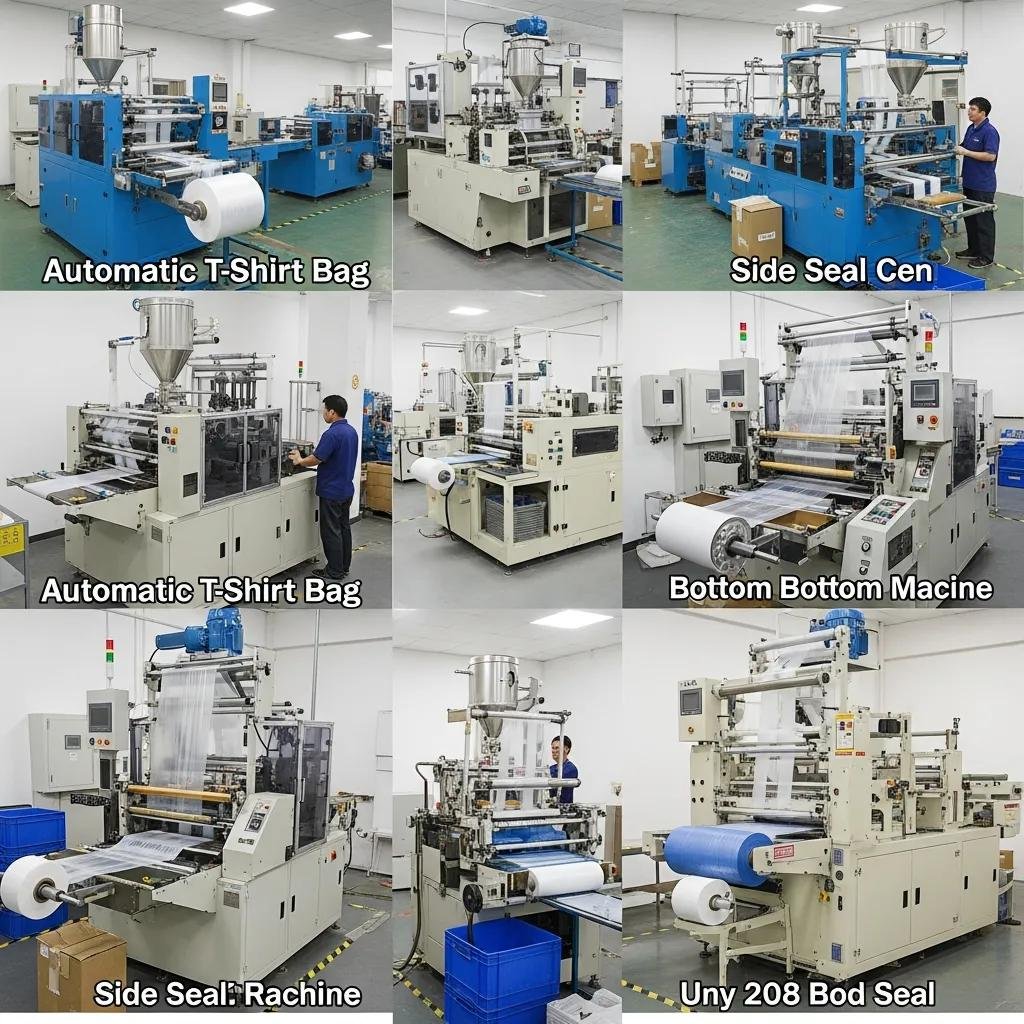
Bag making equipment in Nigeria ranges from semi-automatic units for small runs to fully automatic, high-speed lines for industrial output; common categories include automatic T-shirt bag machines, shopping bag machines, garbage bag machines, and bottom- or side-sealing machines. Each machine type targets specific bag formats: T-shirt machines punch handles and seal sides, garbage bag lines focus on thicker gauge and cross-sealing, and bottom-sealing machines are suited to gusseted or flat-bottom bags. Choosing among these depends on production capacity goals, automation level, and integration needs with printing or winding lines. Understanding these categories helps match capital investment with expected throughput and market demand.
Below is a comparison table that helps buyers quickly scan production speed, bag type, and automation level for typical machine categories available to Nigerian buyers.
Introductory table: quick comparison of machine categories for initial buyer evaluation.
This comparison highlights trade-offs between speed and bag complexity; buyers should choose based on target bag format and daily output requirements.
Automatic T-shirt bag machines are distinguished by features such as servo-controlled feeding, precision handle punching, reinforced sealing, and integrated cutting and stacking systems that achieve high throughput with consistent bag dimensions. Servo control improves positioning accuracy for printing registration and reduces film waste, while advanced sealing units enable thicker gauges and stronger seams for retail use. Maintenance considerations include routine blade replacement, lubrication of mechanical feeds, and access to spare sealing elements to minimize downtime. Training for operators on changeover procedures and safety guards ensures reliable continuous operation and predictable output rates.
Garbage bag machines prioritize handling heavier gauge film and often include stronger cross-sealing units and reinforced folding, whereas shopping bag machines focus on appearance, handle quality, and print integration. Garbage bag lines may run thicker LDPE or HDPE grades with lower speed but higher seal strength, while shopping bag lines aim for clarity and consistent handle punching at higher speeds. Cost versus throughput trade-offs matter: garbage bag lines can be more robust and costlier per unit output but deliver higher margin on durable products. For buyers, the decision rests on product end-use, raw material availability, and whether printing or high-speed stacking is required.
This comparison naturally leads to the pricing section where machine cost drivers and typical price bands are described for Nigerian buyers.
Price ranges for blown film lines and bag-making equipment vary widely based on capacity, automation, and origin; buyers should expect entry-level semi-automatic bag machines to be markedly less expensive than full blown film extrusion lines with co-extrusion die heads. Main cost drivers include extruder screw size, number of layers (mono vs. multi-layer), automation features (servo drives, PLC control), brand/manufacturer, and shipping/import duties. Buyers must also budget for installation, training, spare parts inventory, and a reasonable commissioning window to avoid unexpected downtime costs. Transparent budgeting that factors in local logistics and after-sales support reduces procurement risk and shortens time-to-production.
Below is an EAV-style price-band table to set realistic expectations for typical machine categories and capacities in the Nigerian market.
Introductory table: price bands and representative capacity to guide preliminary budgeting.
This price-band overview clarifies that higher automation and multi-layer capability increase initial capital but improve product options and margin potential over time.
For buyers ready to request quotes: FILM BLOWING MACHINE NIGERIA operates as an information hub and lead generator for blown film extrusion machines and plastic bag making machines and can assist with model selection, quote requests, and comparative guidance. When preparing to ask suppliers for prices, include expected daily output, target bag types and sizes, preferred automation level, and whether printing or recycling capability is required; this allows suppliers to provide accurate base prices and installation estimates. Engaging with a supplier who emphasizes timely after-sales service, easy maintenance, warranty coverage, and final inspection helps translate a price quote into a reliable total cost of ownership assessment.
This commercial guidance transitions into a deeper look at the technical and procurement factors that should influence machine selection.
Typical cost bands depend on automation and capacity: lower-cost semi-automatic bag machines fit small producers and carry modest capital outlay, while fully automatic, high-speed lines and associated extruders command higher investment. Base quotes often exclude shipping, import duties, installation, and local commissioning, so buyers must factor these into total project cost. Request quotes with itemized inclusions—equipment, control systems, spare parts kit, training, and warranty scope—to compare offers effectively and avoid surprise expenses. Negotiating lead times and asking for final inspection records reduces delivery and acceptance risk.
A focused pricing checklist below helps buyers prepare clear RFQs and compare supplier responses.
These steps ensure quotes are comparable and actionable, moving the procurement process toward a procurement decision informed by total cost of ownership.
Technical and commercial factors that increase equipment cost include larger extruder screw diameters, multi-layer co-extrusion capabilities, precision die heads, advanced PLC and servo systems, and higher-grade materials for wear resistance. Service-related factors—such as warranty length, spare parts inventory, and availability of local technicians—also influence lifetime costs and supplier selection. Import-related elements like freight, customs duties, and inland logistics can add significant percentages to factory prices for Nigerian buyers. Evaluating trade-offs between upfront cost and operational efficiency, including energy consumption and scrap rates, reveals the true cost per produced bag over expected equipment life.
A concise buyer checklist helps balance these factors when comparing suppliers and models.
Understanding these cost drivers supports informed comparisons and prepares buyers to ask targeted questions during quote evaluation.
Selecting machinery requires a decision framework that matches production objectives, material choices, and operational constraints: define target bag formats and daily volumes, select extruder and die combinations to meet film width and thickness needs, and choose automation levels aligned with available skilled labor. Consider power availability, workshop footprint, and the supplier’s after-sales service, spare parts logistics, and warranty terms; these commercial attributes directly affect uptime and operating cost. Buyers should prioritize machines capable of processing recycled resin if sustainability or feedstock cost is a concern. A structured decision process reduces procurement risk and aligns equipment capability with market demand.
The next subsections list important specifications to evaluate and explain why after-sales service and warranty are critical considerations when purchasing in Nigeria.
Key specifications to evaluate include production speed (bags/min or kg/hr), film width and maximum gauge, extruder screw diameter and L/D ratio, motor power and heating zones, and control system sophistication (PLC and servo drives). These specs determine throughput, energy use, and product compatibility with printing or slitting operations; for example, a larger screw and higher power enable higher kg/hr output while advanced control systems improve registration and reduce scrap. Matching these specs to projected demand and raw material grades (LDPE, HDPE, LLDPE) ensures the line can deliver target volumes and product quality. Request specification sheets and examples of similar installations to validate performance claims.
A short checklist below summarizes recommended spec considerations.
These specification choices directly influence operational efficiency, which brings attention to service and warranty impacts on uptime.
After-sales service and warranty materially reduce downtime and operating risk by ensuring prompt spare parts supply, trained technicians for commissioning, and responsive troubleshooting when defects emerge. A supplier offering timely after-sales service and clear warranty terms lowers mean time to repair and protects production during early run-in periods. Buyers in Nigeria should request evidence of final inspection protocols, spare-parts lead times, and any local technician training commitments; these items often separate reliable suppliers from purely transactional vendors. Evaluating service-level expectations, including recommended preventive maintenance schedules, helps forecast maintenance budgets and maintain steady production.
This discussion of service considerations naturally connects to ancillary machines that add value to film and bag production and may require coordinated support from suppliers.
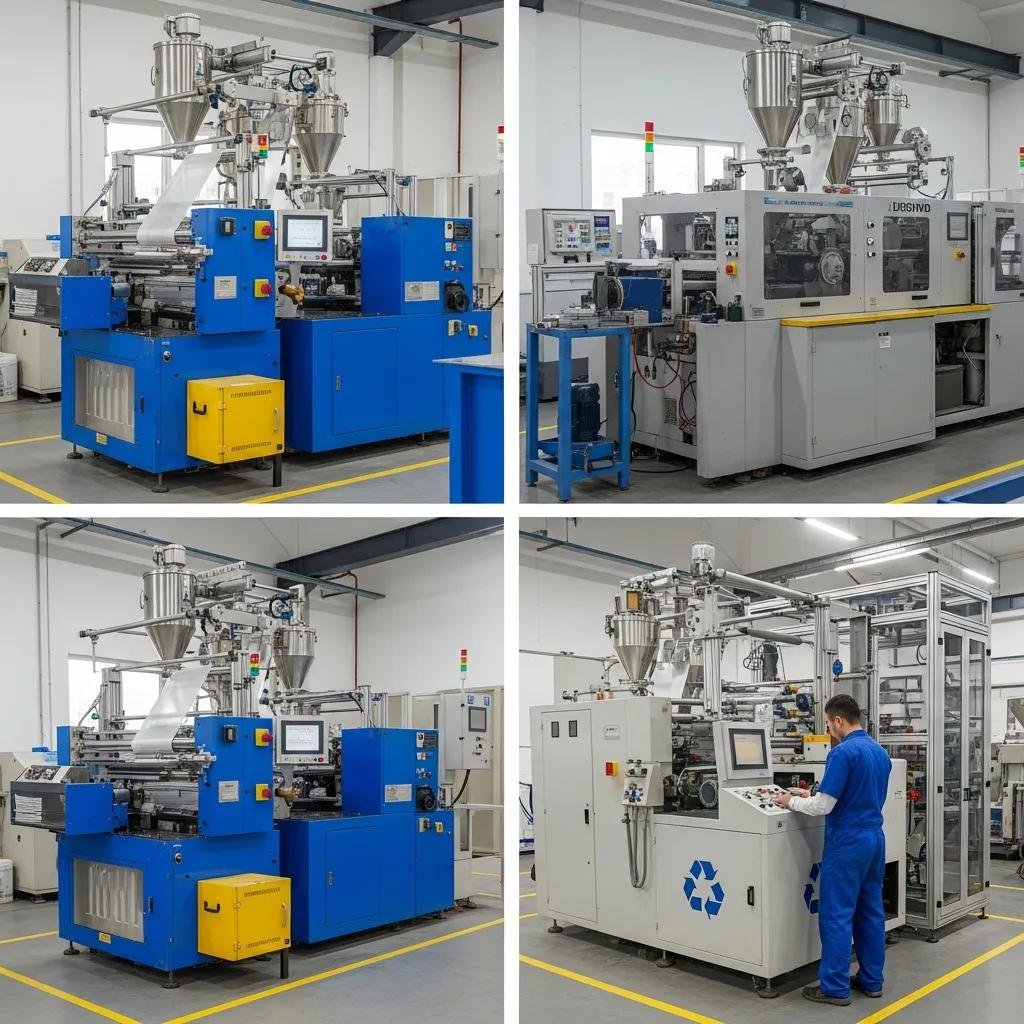
Ancillary machines complete a production ecosystem by enabling printing, slitting, recycling, and value-added finishing that raise product price points and lower material costs. Flexo and gravure printers add branding and regulatory information directly on film rolls, while slitting machines convert wide rolls to widths suitable for bag-making lines. Recycling equipment—shredders, wash lines, and pelletizers—return trim and post-industrial waste to usable feedstock. Stretch film machines and slitting units also support in-house packaging needs and reduce procurement of secondary packing. Integrating these machines into the production workflow optimizes material flows and can improve margins through vertical control of value-adding steps.
The following table outlines common ancillary equipment, primary function, and production benefit to help buyers prioritize line investments.
Introductory table: ancillary machine roles and expected impact on operations.
This mapping clarifies which ancillary machines deliver direct commercial value, leading to the next subsections on print tech differences and recycling benefits.
Flexographic printing uses flexible plates and is cost-effective for short to medium runs with quick setup, while gravure printing offers higher resolution and more consistent color for large-volume production despite higher initial setup cost. Flexo excels when variable data or frequent job changes are needed, whereas gravure suits long-term contracts demanding premium print. Print choice affects lead times, ink costs, and registration accuracy; integrating printing before bag-making reduces later handling and aligns print positioning with cutting and punching. Choosing the right printer depends on anticipated order profiles, expected run lengths, and desired print quality.
Understanding printing trade-offs helps manufacturers select complementary ancillary equipment and plan production flows accordingly.
Recycling and stretch film machinery enable internal reuse of trim, edge-waste, and post-industrial scrap, lowering virgin resin purchases and improving sustainability credentials. A basic recycling configuration includes shredding, washing (if needed), drying, and pelletizing to return material to the extruder, though compatibility testing ensures recycled content meets strength and appearance targets. Stretch film machines produce high-demand pallet wrap used in logistics and can provide immediate in-plant savings. Implementing recycling capacity requires attention to contamination control, melt-index matching, and potential additive needs to maintain film performance when using recycled resin.
These operational benefits and material considerations inform the startup roadmap for entrepreneurs planning new bag production lines in Nigeria.
Launching a bag manufacturing business in Nigeria involves a sequence of practical steps: register the business and obtain necessary permits, define product range and target customers, secure raw material suppliers, choose equipment that matches capacity plans, and establish sales channels for B2B and retail customers. Space planning must account for extruder footprint, ventilation, power supply, and storage for resin and finished goods. Financial planning should include equipment capital, installation, spare parts, and a working capital buffer for resin purchases and payroll during initial sales ramp-up. Empirical planning with realistic throughput targets and payback estimations reduces early-stage surprises and supports an efficient scale-up path.
The following checklist summarizes actionable steps for new entrants preparing to set up operations and obtain machinery quotes.
After these operational steps, the next subsection reviews raw material sourcing approaches and then market trends that affect demand and technology choices.
Raw material options include local resin resellers, importers offering a wider range of grades, and recycled resin suppliers for lower-cost or sustainability-focused production. Common grades are LDPE, LLDPE, and HDPE, each suited to different bag types—LDPE/LLDPE for flexible film and HDPE for stiffer bags. Buyers should request certificates of analysis, run sample extrusion trials, and compare melt flow index and contamination levels across suppliers. Negotiating supply agreements that include quality guarantees and delivery schedules reduces the risk of production interruptions, and testing small sample batches prior to full-scale runs validates machine-resin compatibility.
This sourcing approach feeds into the market outlook and technology adoption choices discussed next.
Recent trends in Nigeria show steady demand for affordable retail and waste-management bags, increasing interest in sustainability through recycled content, and gradual adoption of higher automation to reduce labor dependence and improve consistency. Automation and printed branding are growth areas as retailers and FMCG companies demand standardized packaging, while recycling and circular-economy initiatives push manufacturers to source compatible equipment. Entrepreneurs who plan for flexible lines—capable of processing recycled resin and integrating printing—are better positioned for future regulation and customer preferences. Monitoring these trends helps buyers future-proof investments and align technology choices with evolving market demands.
Practical implications include prioritizing modular equipment, securing flexible resin supply, and engaging suppliers who emphasize after-sales support, R&D capability, and fast delivery to maintain competitive responsiveness.
The complexity of blown film extrusion, with its numerous influencing factors, makes the application of expert systems an appealing area of research for process optimization.
Expert Systems for Blown Film Extrusion Processes
Blown film is extruded as a continuous tube which is air cooled, collapsed, and wound onto a roll as a double layer of film. Such film, if heat sealed and perforated, makes a roll of bags. There are many factors that affect blown film extrusion. Therefore, using expert system to evaluate blown film extrusion processes becomes an attractive subject.
Expert system for blown film extrusion, 1991
Elevate your machinery performance with our premium spare parts and components. Trust in our quality and reliability for optimal operation and longevity.
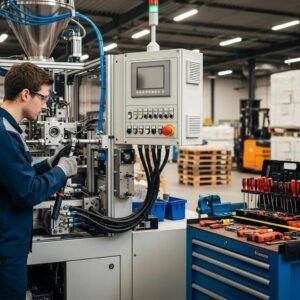
Maximize efficiency with expert installation for your plastic production machines. Our professional team ensures optimal performance tailored to your needs.

Transform your concepts into reality with our tailored installation solutions. Experience professional guidance and exceptional results designed just for you.

Elevate your production with essential tips for selecting the right plastic bag making equipment. Make informed choices for efficiency and quality today.
