

Reliable Spare Parts and Components for Your Machines
Elevate your machinery performance with our premium spare parts and components. Trust in our quality and reliability for optimal operation and longevity.
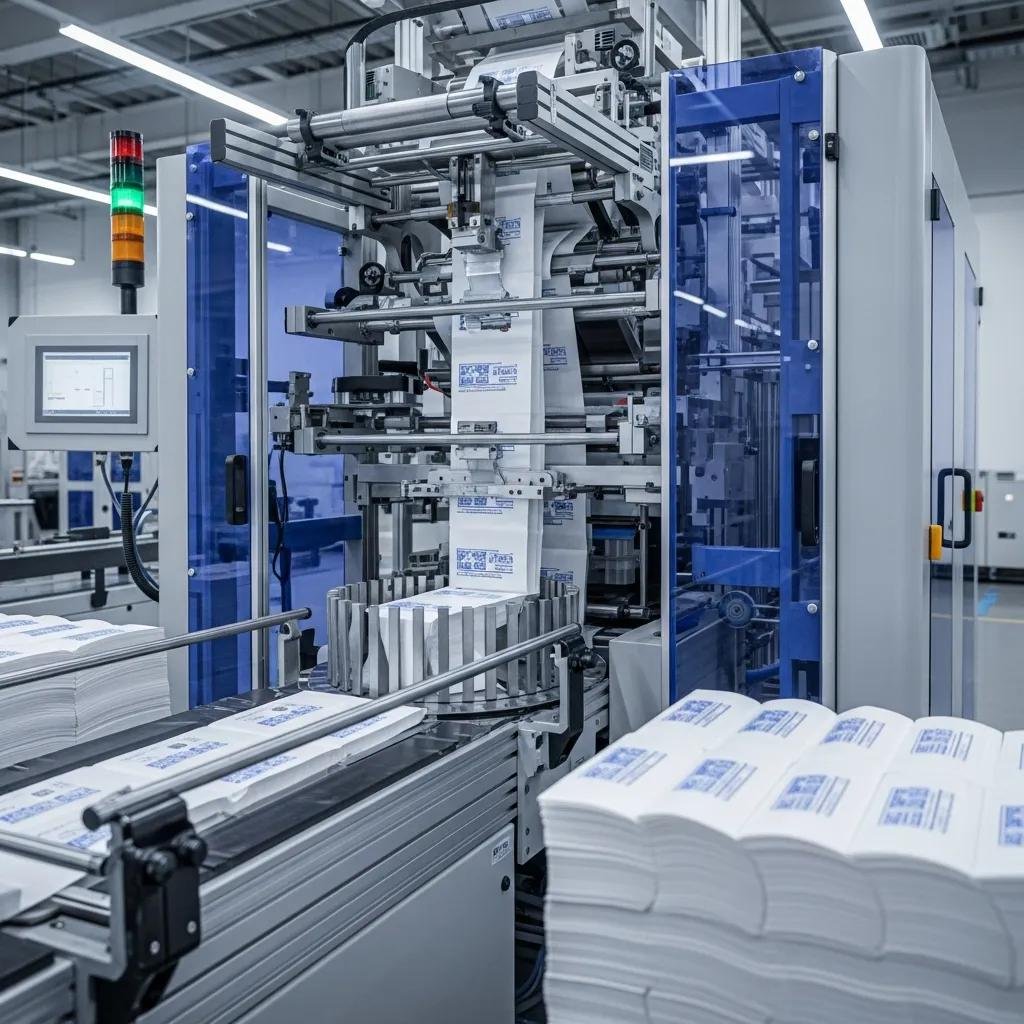
High-speed wicket bag machines are specialized bag making and handling systems designed to produce, seal, and stack wicketed bags at speeds that support fully automated packaging lines while reducing manual handling and cycle variability. This article explains how these machines work, what technical features drive high throughput, and where wicket bag automation delivers the greatest operational and cost benefits across industries such as bakery, hygiene, and industrial packaging. Readers will learn the main machine types, the control and sealing technologies that determine performance, material compatibility including biodegradable films, and practical maintenance and after-sales considerations that keep lines running. The article also maps common applications to recommended machine configurations, provides comparative EAV tables for quick buying evaluation, and highlights measurable efficiency and sustainability gains. Throughout, keyword-focused concepts like wicket bag making machine, servo driven wicket bag machine, side seal wicket bag machine, and biodegradable wicket bag machine are integrated to aid technical buyers and engineers evaluating automated packaging upgrades.
High-speed wicket bag machines are automated systems that form, seal, cut, and stack pre-opened or pre-wicketed bags continuously from plastic film, enabling rapid downstream loading and integration with filling and conveyor systems. By coordinating film feed, sealing, punching and stacking in a synchronized sequence, these machines reduce cycle time variability and dramatically increase throughput compared with manual bagging. The result is consistent bag dimensions, higher line speeds, improved hygiene through reduced human contact, and predictable interfacing with filling equipment. Understanding the different bag constructions and automation benefits clarifies why manufacturers choose wicket systems for fully automated packaging lines.
Wicketed bags come in several constructions that influence machine selection and process settings. Side-seal and bottom-seal bags are the most common wicketed formats; pre-opened and gusseted variants serve specific product profiles. Machine choice depends on bag width, film gauge, and desired stacking orientation, which in turn affects feed mechanics and wicket pin configurations.
Wicketed bags are individual bags pre-pierced and mounted on a wicket pin system that allows automated stacking and loading by downstream equipment, typically made from LDPE, HDPE, or CPP films at common gauges between 20–60 microns. Common variants include side-seal wicket bags, bottom-seal wicket bags, gusseted bags for extra volume, and pre-opened styles for rapid product insertion; each type has specific sealing and trimming requirements that influence tooling and cycle timing. Typical bread-bag widths range from 150–350 mm with film thickness tuned for product weight, while hygiene and diaper packaging often requires heavier films and larger bag openings. Matching bag geometry to the machine’s sealing and punching modules ensures consistent formation and reliable stacking for automated feeders.
This technical mapping leads naturally into how high-speed automation improves throughput and reduces labor when integrated into full packaging lines, which we cover next.
Automation increases throughput by eliminating manual bag handling steps, using continuous film feed, fast servo indexing, and synchronized sealing/punching to achieve high cycles per minute while maintaining quality control checkpoints. High-speed wicket bag machines can reduce operator counts on a line, lower error rates from manual folding or stacking, and enable predictable OEE improvements when paired with automated filling and conveyor integration. Real-world improvements often include double- or triple-digit percentage increases in packaging throughput when replacing semi-automatic or manual bagging, with added advantages in consistent seal quality and fewer product rejections. These throughput gains also support simpler line balancing and enable smaller production footprints, making automation a compelling investment for scaling manufacturers.
To evaluate machines rapidly, buyers benefit from quick technical comparisons; the following section explores the core features that define advanced wicket baggers and includes a comparison table to guide selection.
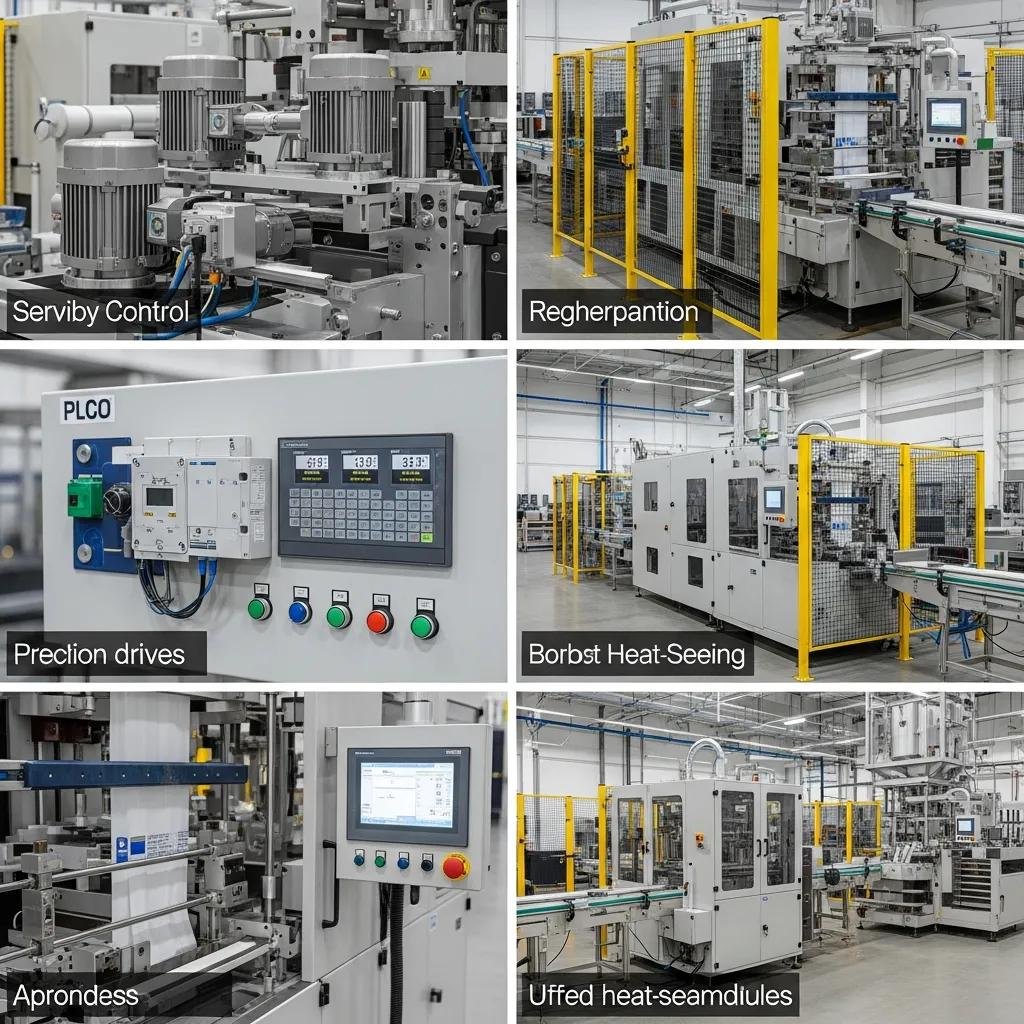
Advanced wicket bag machines combine precision motion control, robust sealing and punching modules, and intelligent HMI/PLC systems to balance speed, repeatability, and maintainability in continuous operation. Key components include servo motor drives for accurate indexing, PLC-managed recipe control for repeatable setups, and modular sealing/punching assemblies that can be adapted for side-seal or bottom-seal formats. Material handling features such as adjustable wicket pins, automatic stackers, and conveyor interfaces determine how smoothly a machine integrates into an automated packaging line. The following EAV table compares representative machine configurations across essential attributes to clarify trade-offs between compact lines and high-speed servo-driven systems.
Introductory table compares representative machine types and spec ranges to support quick model shortlisting.
This comparison highlights how servo-driven, high-speed side-seal systems increase throughput at the expense of higher power and more advanced controls; buyers can use these attributes to match a machine to line speed and film choices.
The next subsection explains why servo and PLC choices materially affect speed and changeover performance.
Servo motor control combined with a PLC/HMI architecture enables precise indexing, fast acceleration/deceleration profiles, and accurate timing for seal and punch cycles, which together reduce cycle variability and support higher bag-per-minute rates. Servo systems allow repeatable tool positioning and rapid recipe changes through the HMI, minimizing downtime during product changeovers and facilitating quick diagnostics for maintenance teams. PLC integration also enables remote diagnostics, data logging for traceability, and coordinated motion with upstream film extruders or downstream filling machines to maintain a balanced line. These control advantages translate into fewer rejects, shorter setup times, and measurable throughput improvements during high-mix production runs.
The discussion of motion control naturally transitions to sealing and punching technologies, which determine bag integrity and stacking reliability during high-speed operation.
Side-seal units perform a continuous or intermittent sealing action that must balance speed with heat control to avoid film deformation; hydraulic or pneumatic punching systems create wicket holes and handle punching-through-film plus optional perforation tasks. Hydraulic punching assemblies excel at repeatable, heavy-duty punching cycles for thicker films or high-speed runs, while mechanical cams or servo-indexed punches can offer faster cycles with lower maintenance for thinner films. Maintenance planning should account for wear parts like sealing bars, Teflon covers, and punch blades, and trade-offs between punch force and cycle rate will influence long-term uptime. Understanding the operational sequence—seal, cool, cut, punch, stack—helps engineers specify appropriate cooling time and conveyor integration for reliable stacking.
Wicket bag machines serve industries that require high-speed, hygienic, and space-efficient packaging workflows, with primary applications in bakery products, hygiene goods, and industrial parts packaging. Each application imposes distinct requirements on bag dimensions, film type, seal integrity, and stacking orientation, which in turn drives configuration decisions such as side-seal vs bottom-seal, wicket pin layout, and conveyor height for ergonomic integration. Consideration of regulatory and hygiene standards for food and medical-adjacent packaging informs material choices and cleaning protocols.
Introductory application mapping table provides sample specs and recommended configurations for common use cases.
This mapping clarifies how bakery lines favor lighter films and higher speeds while hygiene and diaper packaging require heavier films and reinforced handling; the next subsections dive into bakery and hygiene specifics for practical integration.
Bakery packaging prioritizes speed, gentle handling, and film clarity for display while requiring continuous integration with slicers, conveyors, and labeling equipment; wicket bag machines for this sector typically emphasize side-seal formats, rapid recipe changeovers, and pre-opened bag stacks for automated loaders. Typical bakery systems use LDPE at lower film gauges to allow flexible sealing at high speeds, and conveyor synchronization is critical to maintain product spacing from slicer output to bag pickup. Automated stacking via wicket pins allows bakery lines to run uninterrupted for extended periods with minimal operator intervention, reducing labor and contamination risk. Properly configured, these systems improve throughput while preserving product appearance and freshness.
This bakery-focused discussion leads to adaptations needed for heavier, bulkier hygiene products like diapers, which are addressed next.
Diaper and hygiene packaging require machines that can handle larger bag openings, higher film strength, and robust stacking to support heavier loads without deformation during handling; machine adjustments often include stronger punching assemblies, wider wicket pin spacing, and slower but more controlled cycle profiles. Film selection may shift to thicker LDPE or CPP blends to protect product integrity, and stacking conveyors may include cushioning or alignment guides to preserve bag shape. Trade-offs between speed and gentle handling are common: higher throughput is achievable, but only when feed, stacking and sealing components are designed for the product mass. Integrating these mechanical upgrades ensures reliable operation for bulky product formats while maintaining hygienic separation from operators.
With application needs mapped, many buyers are also evaluating biodegradable film options; the next section addresses material compatibility and sustainability-driven machine adjustments.
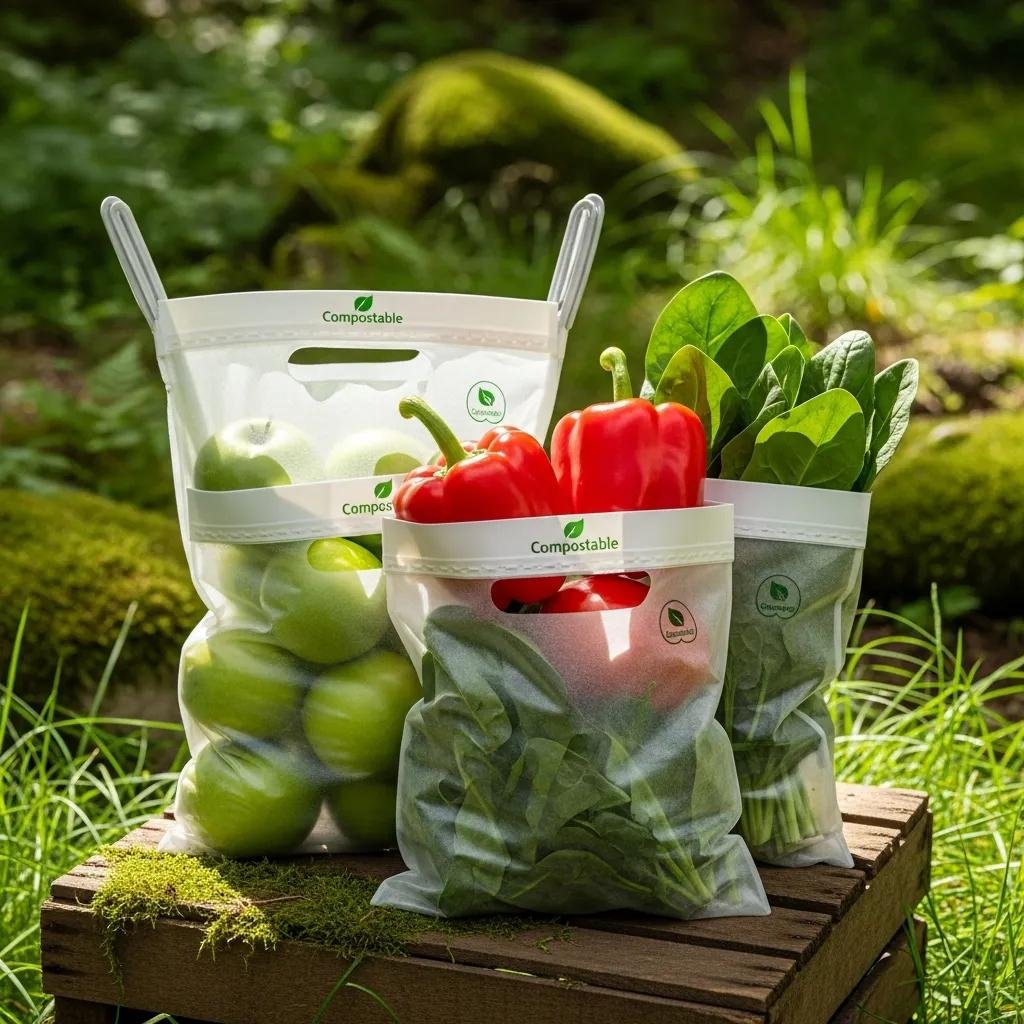
Biodegradable wicket bag machines process PBAT, PLA, and other compostable or biodegradable film blends by adjusting sealing temperatures, dwell times, and cooling profiles to accommodate different melt behaviors and sealing windows while preserving cycle stability. Machines that support eco-friendly films typically require flexible seal tooling, precise temperature control through PID-regulated heaters, and the option to lengthen cooling or dwell phases to avoid seal failure. Designing for material compatibility helps manufacturers reduce plastic waste and respond to market demand for sustainable packaging without sacrificing automation benefits.
Introductory material compatibility table summarizes processing requirements and machine settings to guide conversions to biodegradable films.
This table helps technical buyers anticipate changes when switching films and plan machine commissioning accordingly.
The next subsections expand on specific material notes and energy efficiency features.
PBAT and PBAT-blended films generally offer forgiving sealing behavior and good toughness, making them among the easiest compostable films to run on wicket bag machines, while PLA-based materials often require tighter control of temperature and dwell to avoid brittle seals or delamination. Processing recommendations include lowering seal bar temperature slightly for PLA, increasing cooling time where needed, and testing perforation and punch strength to avoid cracking. Recipe storage in the PLC/HMI allows operators to recall optimized parameters for each biodegradable film quickly, reducing setup errors and film waste during changeover. These adjustments maintain throughput while enabling a transition to more sustainable films.
Modern wicket bag machines incorporate energy-saving features such as PID-controlled heaters that reduce power spikes, servo drives that minimize wasted motion, and modular cooling circuits that reclaim heat or reduce dwell times, collectively lowering per-bag energy consumption. Design choices like quick-change sealing modules and durable wear parts reduce scrap rates and material waste, while compatibility with recycled films supports circular-material strategies on production lines. Some providers also offer recycling and film-reprocessing options as part of broader packaging solutions to reduce downstream waste. These energy and waste reductions improve sustainability credentials without compromising the reliability required for automated packaging.
Having covered sustainability, operators also need clear maintenance and support strategies to protect uptime; the following section outlines routine practices and vendor-provided services.
Routine maintenance and prompt support are essential to sustain high-speed operation, including daily cleaning, scheduled lubrication, timely wear-part replacement, and proactive diagnostics using PLC/HMI logs to spot developing faults before they cause downtime. Preventative maintenance programs often segment tasks by daily, weekly, and monthly cycles to keep sealing bars, punch blades, conveyor guides, and wicket pins in tolerance. Operators should follow a clear checklist and use built-in diagnostics to minimize troubleshooting time, enabling faster mean time to repair and better spare-parts planning.
Maintenance checklist introduction: use this list to structure routine activity and reduce unplanned downtime.
Following this checklist reduces unexpected failures and shortens repair times when issues arise.
The next subsection outlines factual aftermarket support measures offered by the manufacturer to help technical buyers plan procurement and service.
Daily cleaning prevents film residue buildup that can degrade seal quality while routine lubrication of bearings and guide rails reduces friction and wear, extending the life of moving components. Scheduled replacement of consumables—sealing bar covers, cutter knives, and punch blades—on a predictable cadence keeps production quality consistent and avoids emergency stops that disrupt downstream lines. Using PLC logs and HMI diagnostics for trending alarm patterns enables maintenance teams to schedule interventions during planned downtime rather than reacting to failures. Training operators on quick-change procedures for wear parts also shortens changeovers and embeds continuity in maintenance practices.
These routine measures frame the vendor’s support offerings, which are summarized next with factual claims drawn from supplier information.
Kingdom Machine Co., Ltd. positions itself as a supplier offering one-stop service from innovation to mass production with claims of strong R&D and experienced engineers, flexible customization, and timely after-sales support. The company emphasizes simple operation, easy maintenance, and 100 percent final inspection, and notes specific warranty coverage such as a two-year warranty on timer switches; they also highlight competitive pricing through large-scale production capacity and trained workers. Delivery timelines are presented as fast: sample machines in about three days and standard bulk deliveries in roughly 15–20 days for standard machines, supported by global installations. For model-specific service, the recommended next step is to contact the manufacturer’s sales team to request detailed specifications, customization options, or warranty documentation.
These vendor support claims complement an operator’s maintenance program by clarifying expected service terms and customization pathways. The next section demonstrates real-world outcomes through case summaries and performance metrics.
Case studies of wicket bag integration typically document measurable improvements such as throughput increases, labor reduction, and waste minimization after installing automated wicket bag systems, with common metrics presented as before-versus-after comparisons tied to ROI drivers like reduced rejects and lower labor costs. Summaries often include production baseline, machine configuration selected, and quantified gains over a defined period to help potential buyers estimate payback. The following section highlights anonymized metrics and testimonial themes that buyers should look for when evaluating supplier performance claims.
The next table provides a concise before/after metric snapshot to illustrate typical performance outcomes achieved through automation.
These anonymized comparisons show how wicket bag automation can improve throughput, reduce labor and shorten changeovers; the next subsection summarizes payback considerations and timeline expectations.
Food packaging case results frequently show dramatic throughput improvement when moving from manual or semi-automatic bagging to fully automated wicket systems, with typical bakery examples reporting multi-fold increases in bags-per-hour and substantial reductions in product handling errors. Labor savings compound over time, and lower scrap rates from consistent sealing and cutting translate into material cost reductions. Payback periods vary by production scale and labor cost, but many buyers find automation economically justified within a predictable timeframe once integration and changeover efficiencies are realized. These operational gains support wider investment in upstream and downstream automation to maximize line efficiency.
Customer feedback commonly emphasizes improved line stability, simpler operation, and dependable after-sales support as the core benefits of adopting wicket bag automation, with engineers noting easier diagnostics and fewer emergency repairs when machines include robust PLC/HMI logging. Industry impact examples often cite smoother integration with existing film extrusion and filling equipment, enabling higher OEE for the entire packaging cell rather than isolated speed gains. For those seeking more detailed evidence, suppliers typically provide full case study documents and application videos on request, which support procurement decisions by showing installation contexts, ROI calculations, and long-term operational metrics.
For readers ready to explore solutions further, consider contacting the manufacturer for downloadable case studies, detailed machine specifications, and tailored quotations to assess fit for your packaging line.
Elevate your machinery performance with our premium spare parts and components. Trust in our quality and reliability for optimal operation and longevity.
Maximize efficiency with expert installation for your plastic production machines. Our professional team ensures optimal performance tailored to your needs.

Transform your concepts into reality with our tailored installation solutions. Experience professional guidance and exceptional results designed just for you.

Elevate your production with essential tips for selecting the right plastic bag making equipment. Make informed choices for efficiency and quality today.
